our equipment

SEWING AND FABRICATION EQUIPMENT

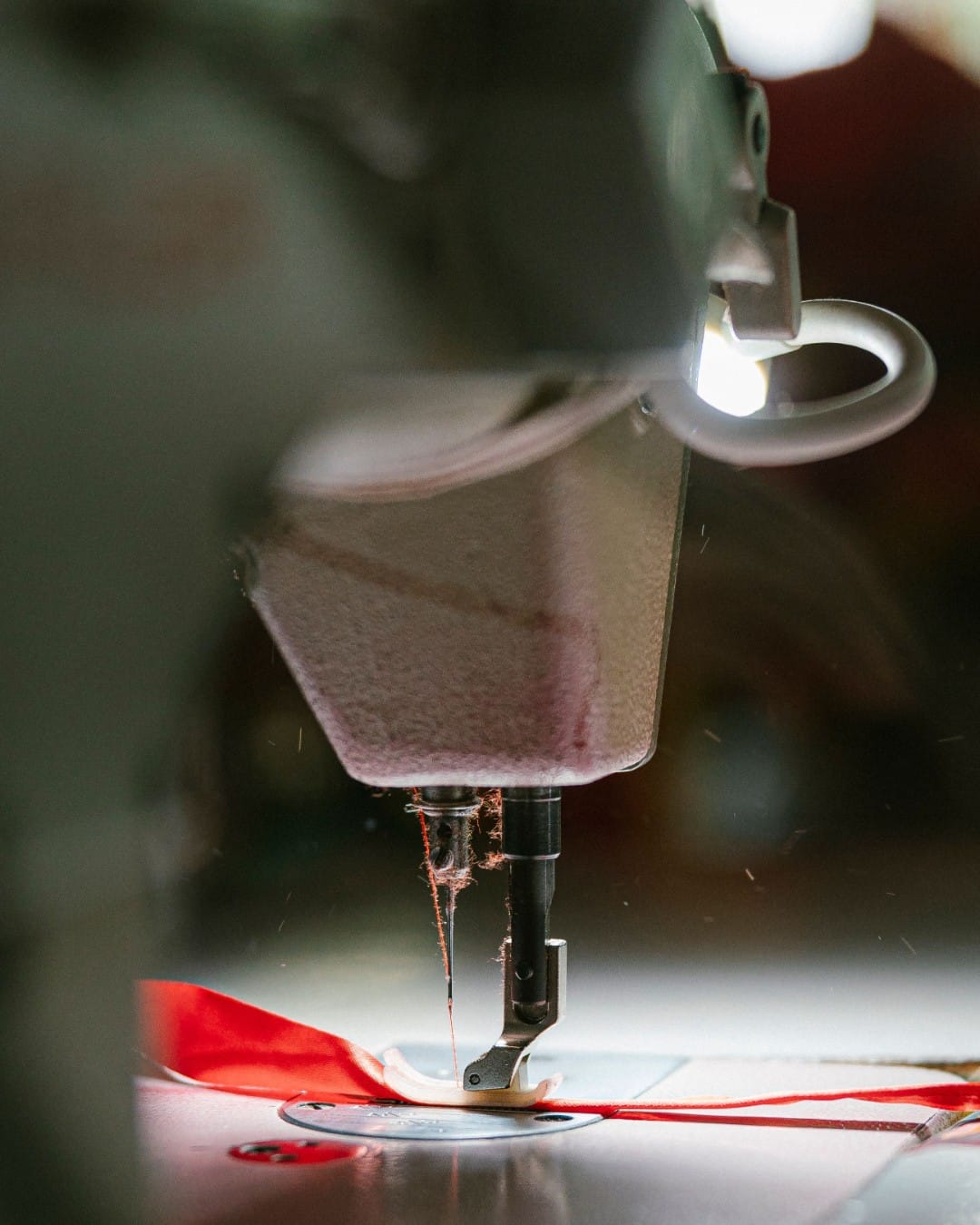
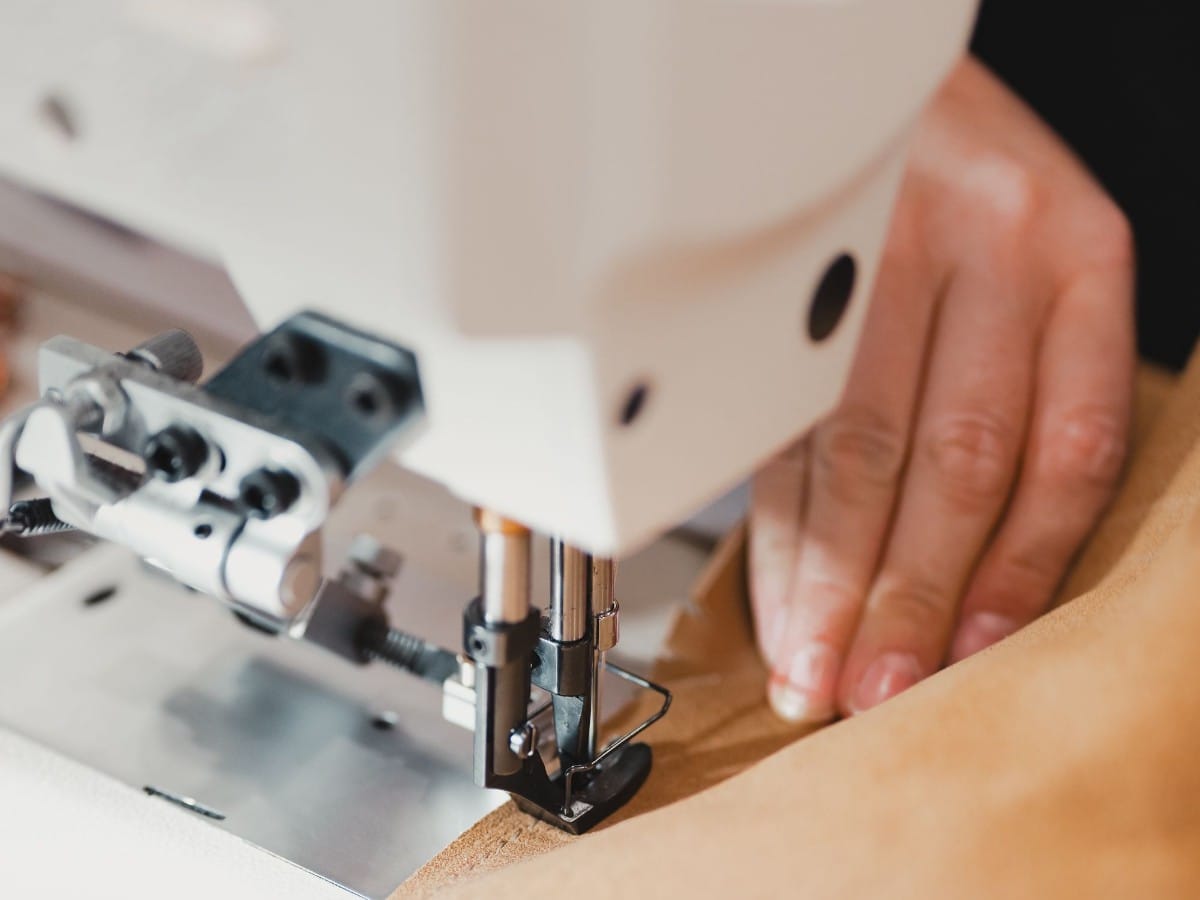
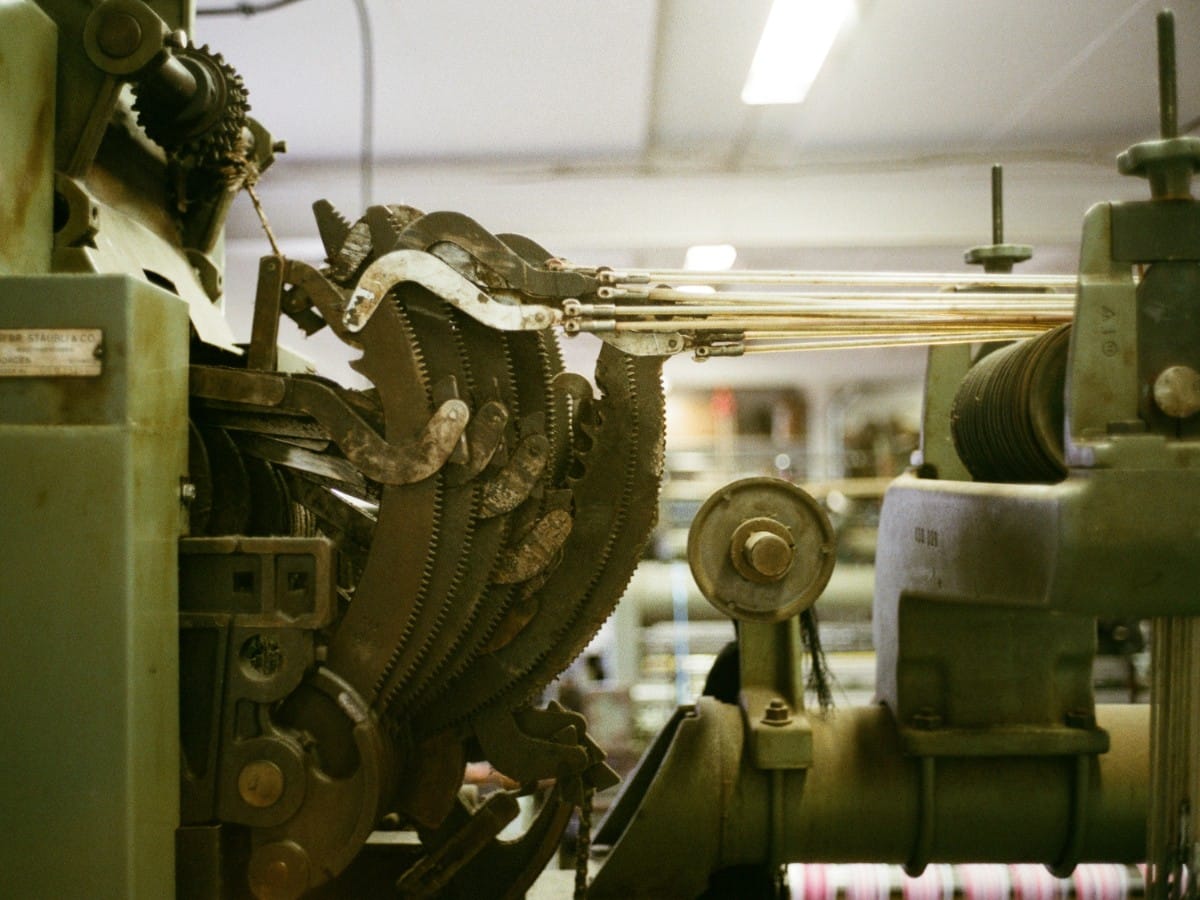
Twenty plus industrial sewing heads set up for everything from parachute cloth to cargo webbing, a commercial laser cutter, a clicker press for die cutting, strap makers, embroidery and embossing machines, and the leather tools Tim bought in 1971. Check your part against the list before you finalize the print.


THE CUTTING ROOM

Every sewn part starts as a cut part, and a bad cut shows up in every unit after it. We run a clicker press for die cutting plus fabric cutting machines for straight goods and multi-ply work.
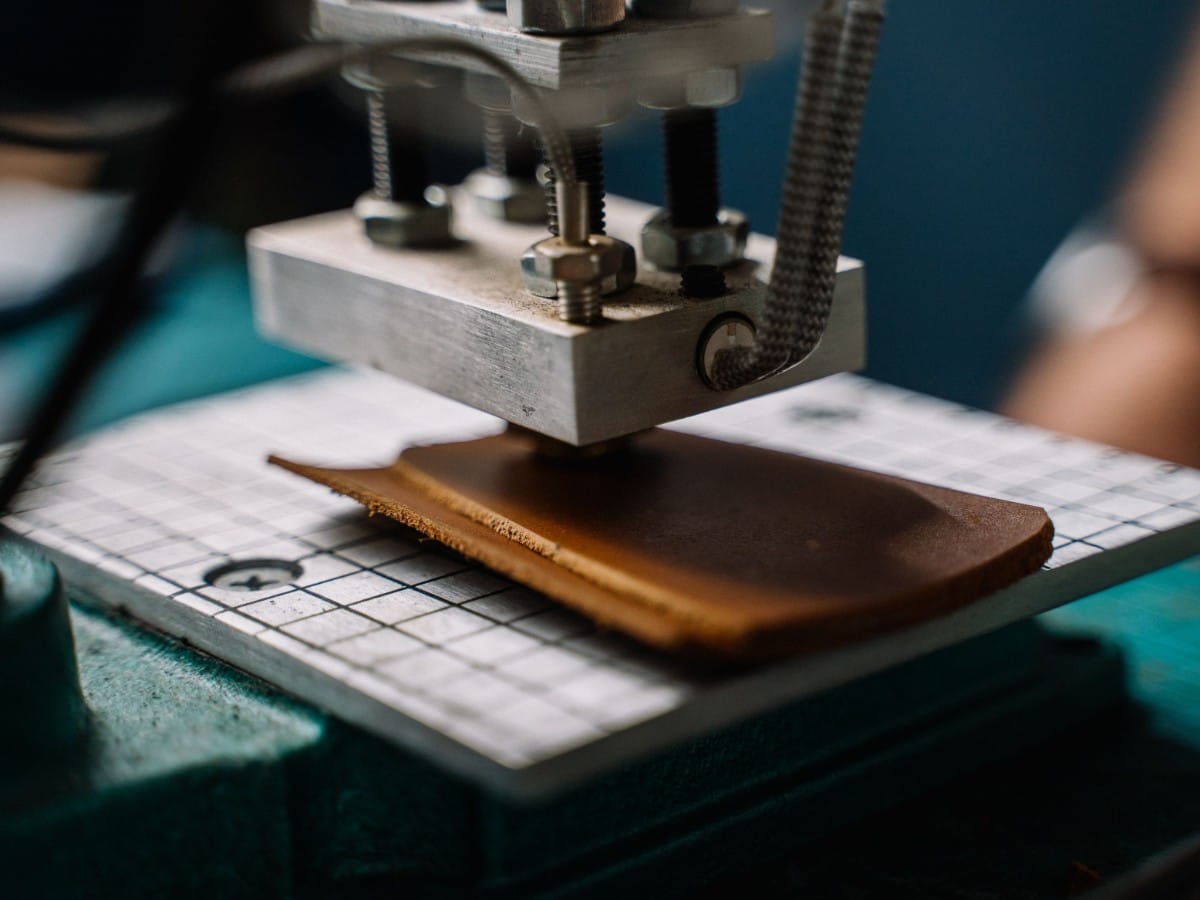
Volume and material decide it. A steel rule die costs money up front and then pays for itself on every part after, so it is the right call on repeat production and on anything running in the hundreds or thousands. It is also the answer for leather, foam, and heavy multi-ply stacks, where a die gives a clean edge that a laser will scorch or fuse. Short runs and patterns still changing go to the laser.

Tooling is quoted separately from the parts. Raise it during the RFQ so it lands in your budget correctly, since a die is a one-time cost and the per-part price after it is lower. Confirm ownership and storage terms with us in writing before you release the first order.

That depends on material thickness and how tight the tolerance is. Lightweight nylon stacks deep. Heavy tooling leather and foam get cut in far fewer plies because compression under the press distorts the edge. Send the material and the tolerance you need held and we will tell you what is realistic.

Yes. Cut parts ship as parts. Customers who sew their own assemblies or run their own final finishing regularly buy cutting alone.

REQUEST A CUTTING QUOTE

LASER CUTTING

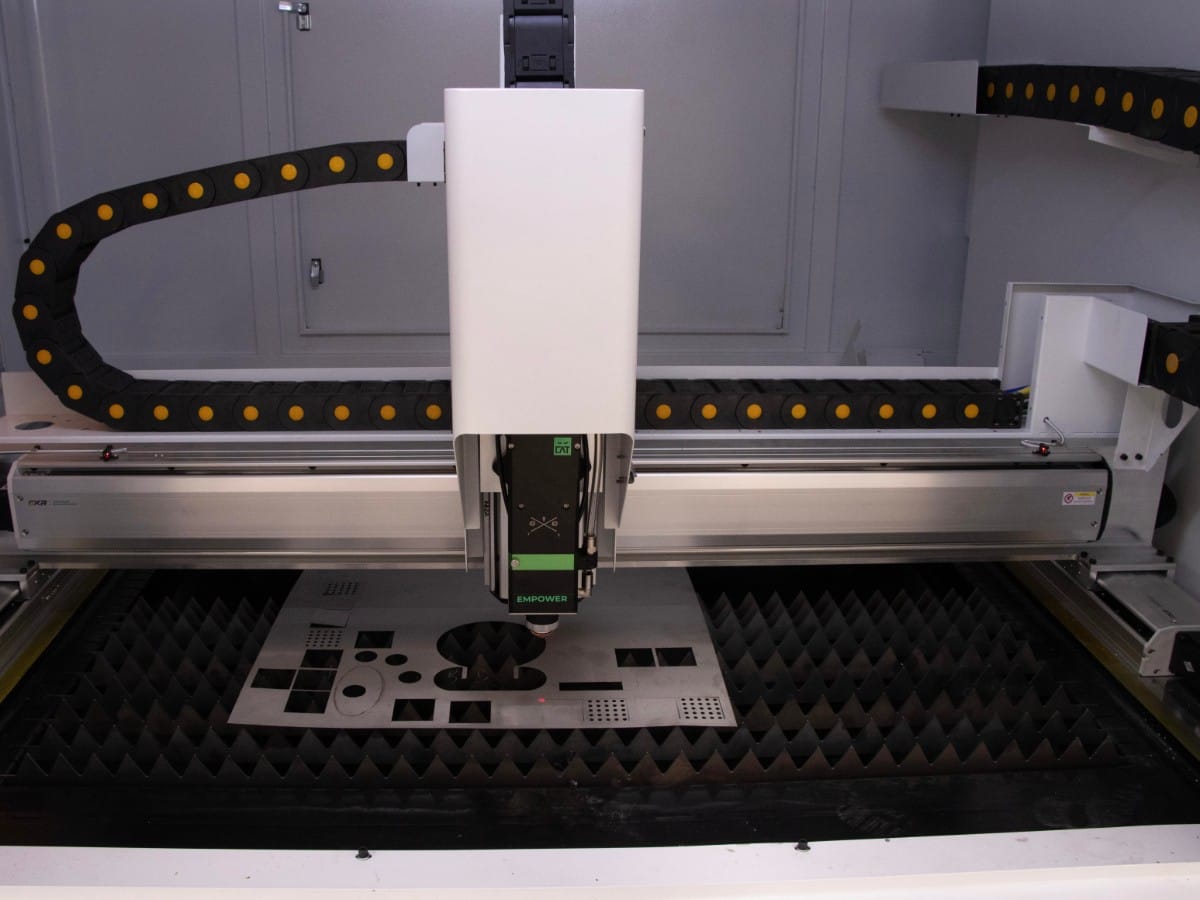
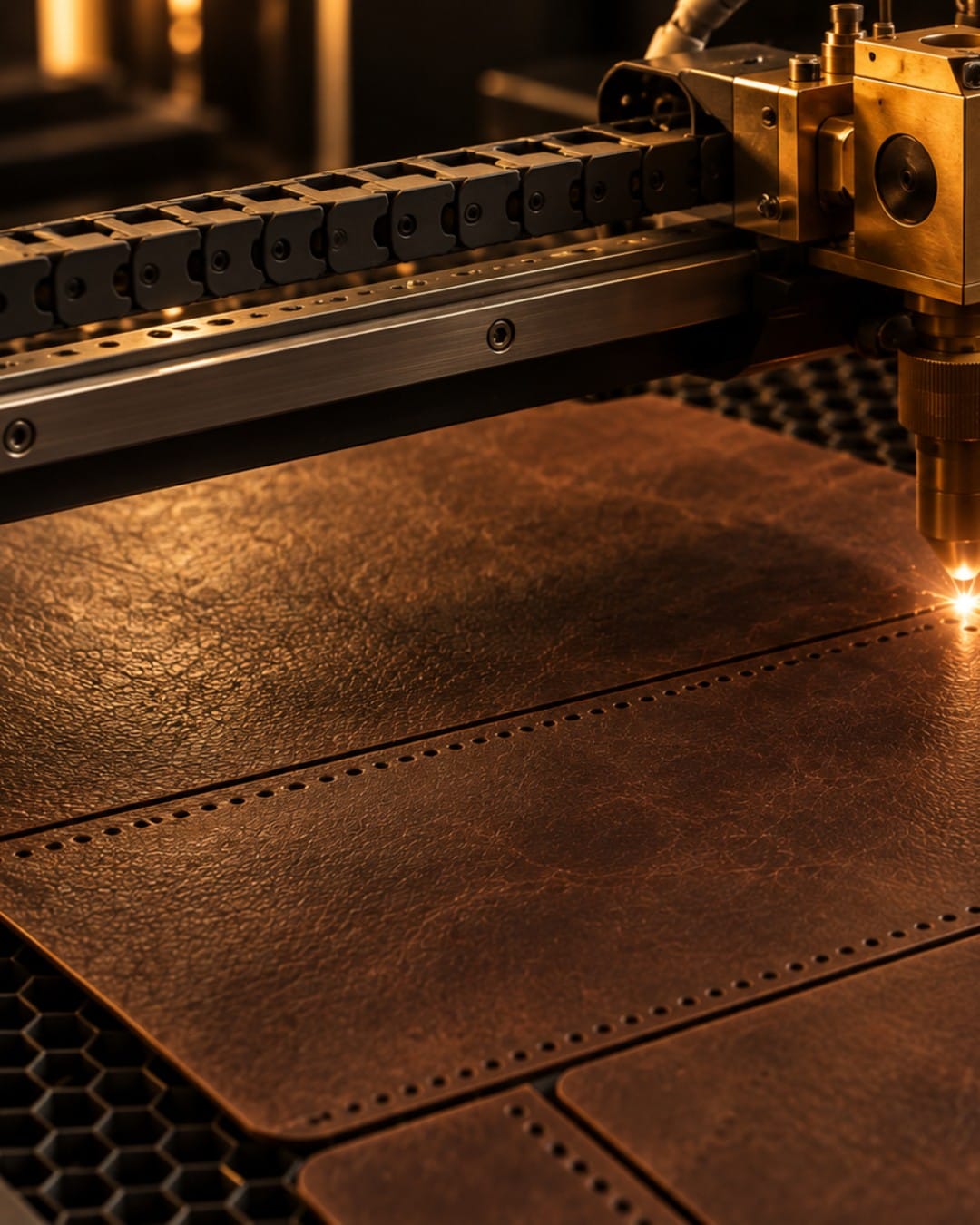
Commercial laser cutting, no tooling required. The laser cuts and seals synthetic edges in one pass, which is why prototypes and short runs go here first.
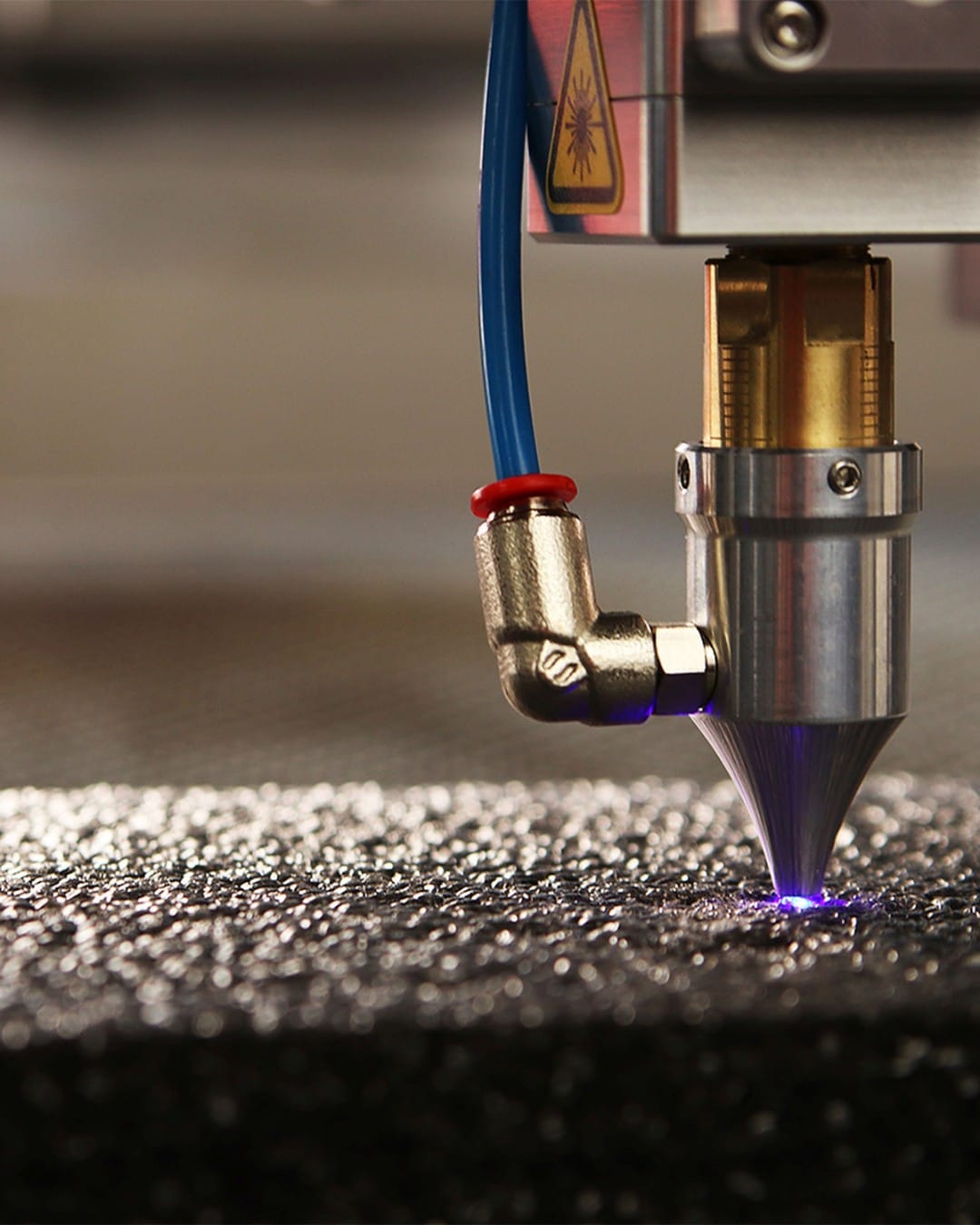
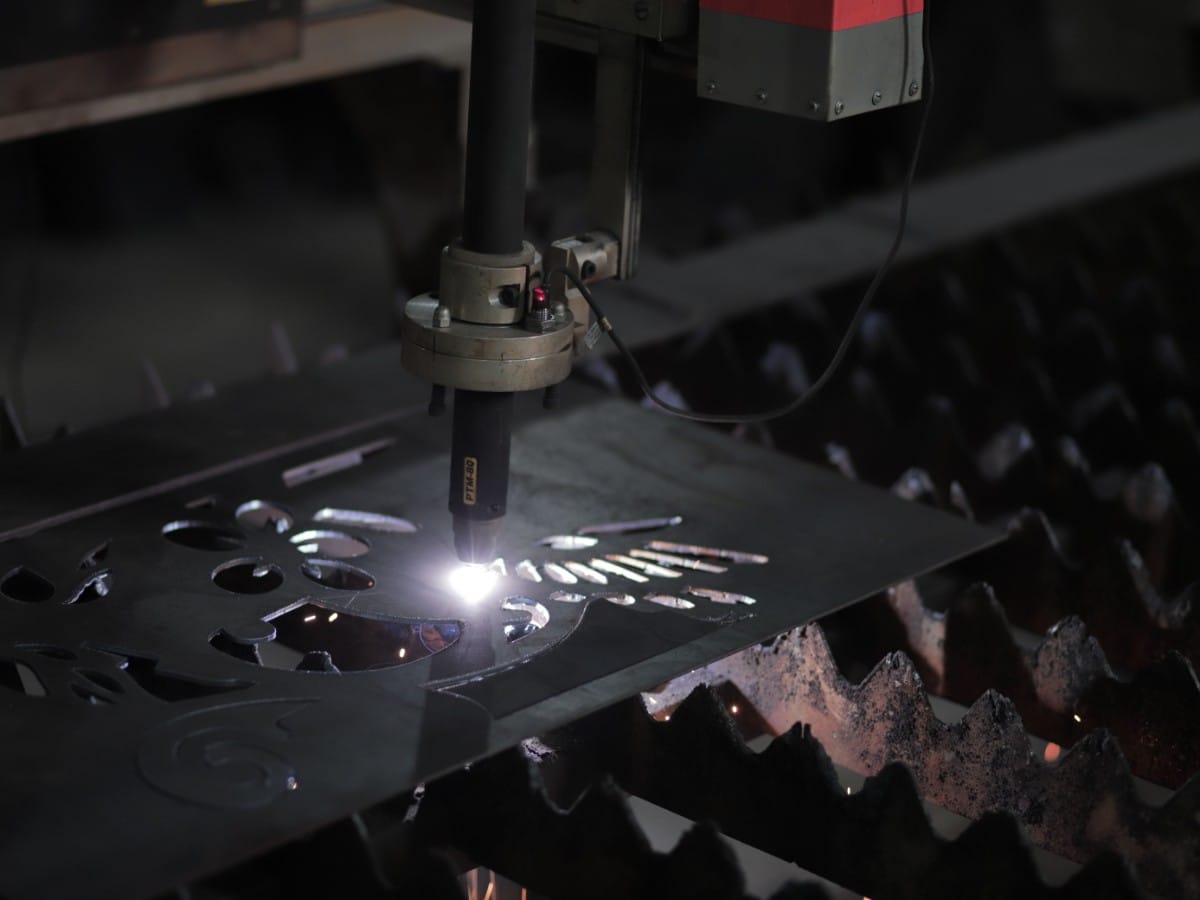
Synthetics. Ballistic nylon, Cordura, packcloth, ripstop, and webbing all cut clean and come off the table with a sealed edge that will not fray. Foam and some composites cut well too. Natural fibers and leather can be cut but tend to scorch, and vinyl does not go on the laser at all because of what it releases when it burns.

Vector artwork with the cut lines separated from the marking lines. DXF is the safest bet. If all you have is a paper pattern or a physical sample, send that instead and we will digitize it.

On low quantity, yes, because you skip the tooling cost entirely. On repeat production the die wins on per-part cost and speed. The crossover point depends on part size and complexity, and we will tell you where your part lands rather than defaulting to one method.

That is the main reason to stay on the laser. A revision is a file change, not a new tool. Customers still validating a design usually run laser cut units until the pattern is approved, then move to a die once the part is stable.

SEND US YOUR FILES

INDUSTRIAL SEWING

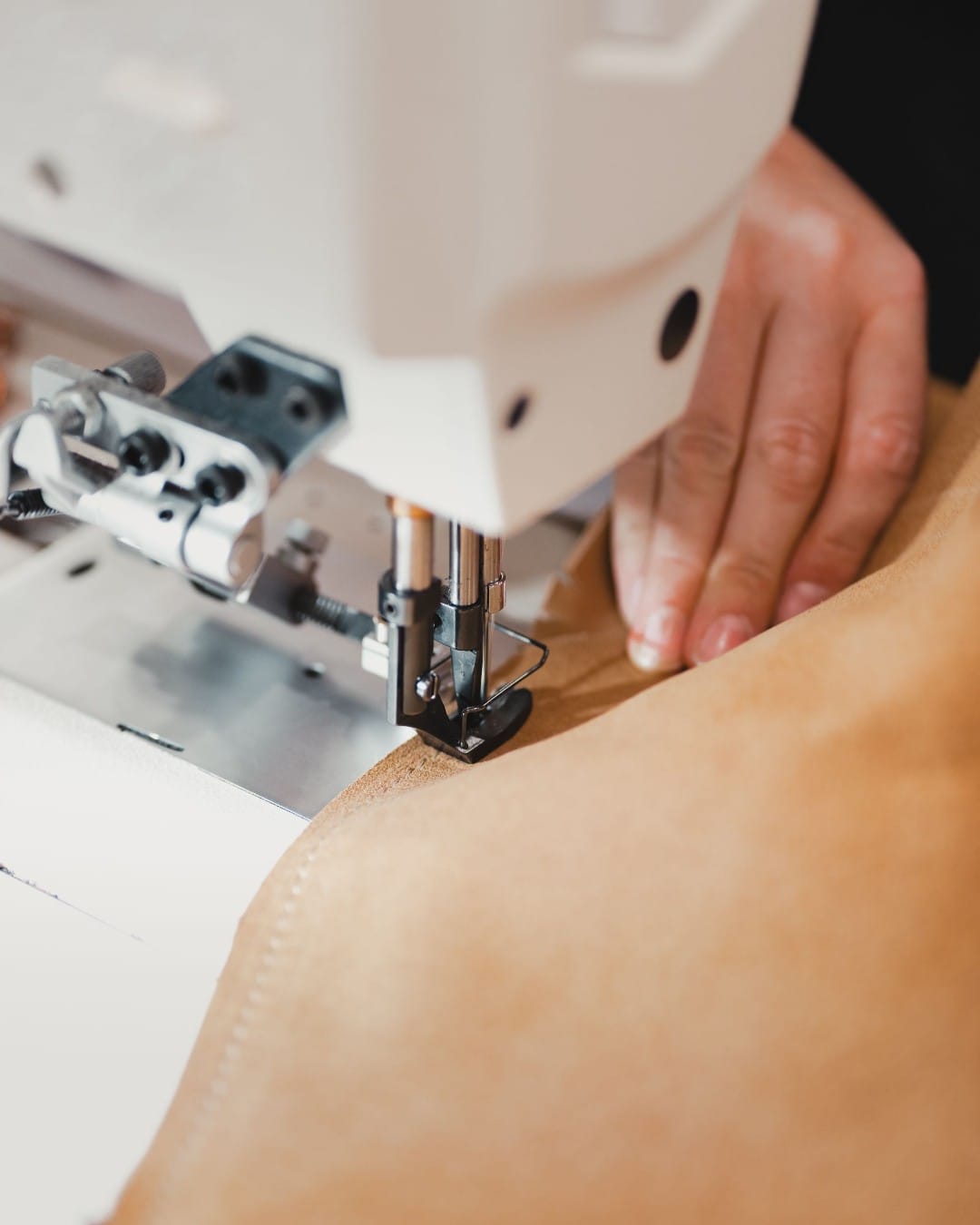
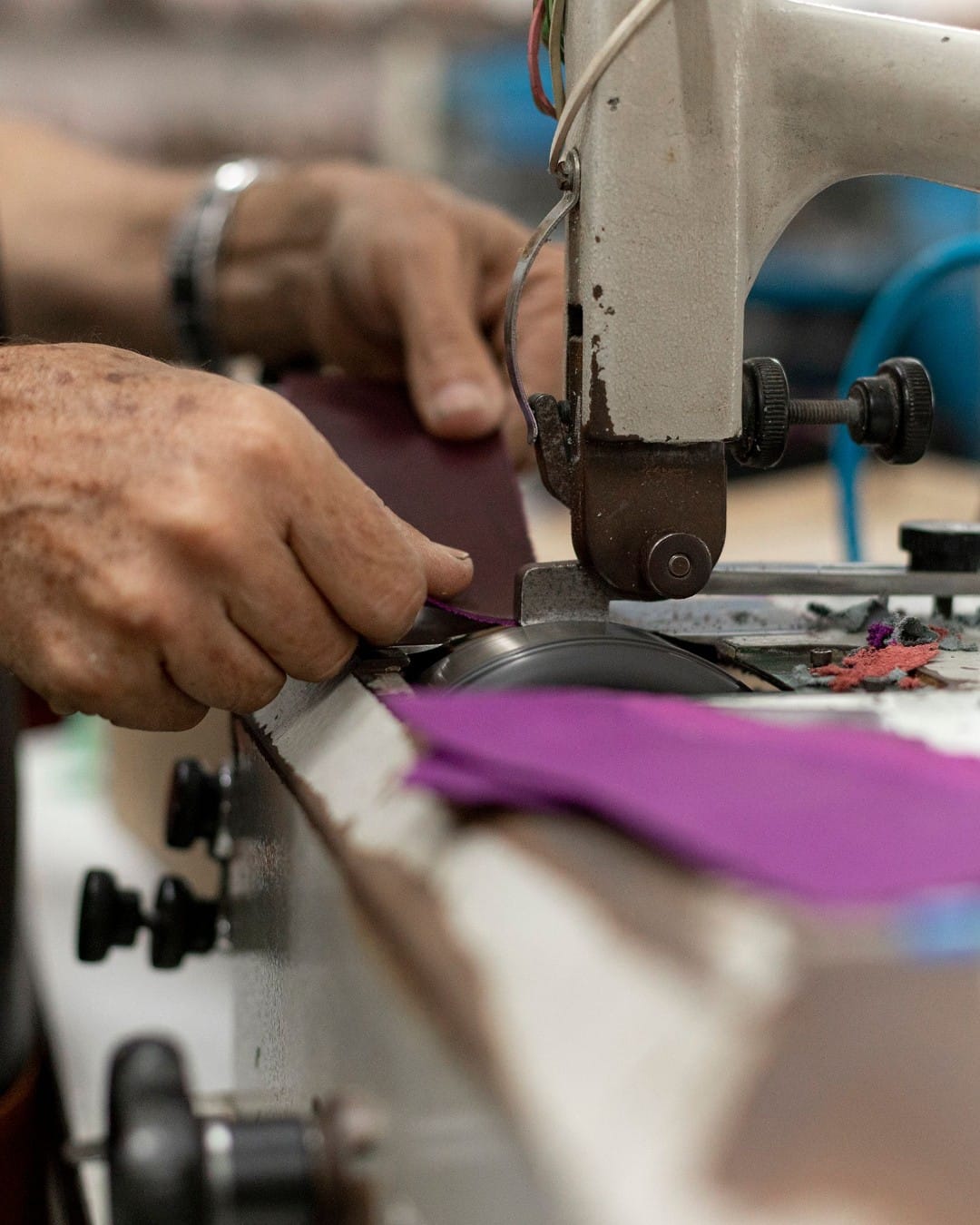
Twenty plus industrial sewing machines and operators who average sixteen years on this floor. Machines are set up by material weight and stitch type, so a job is not forced onto whatever head happens to be open.
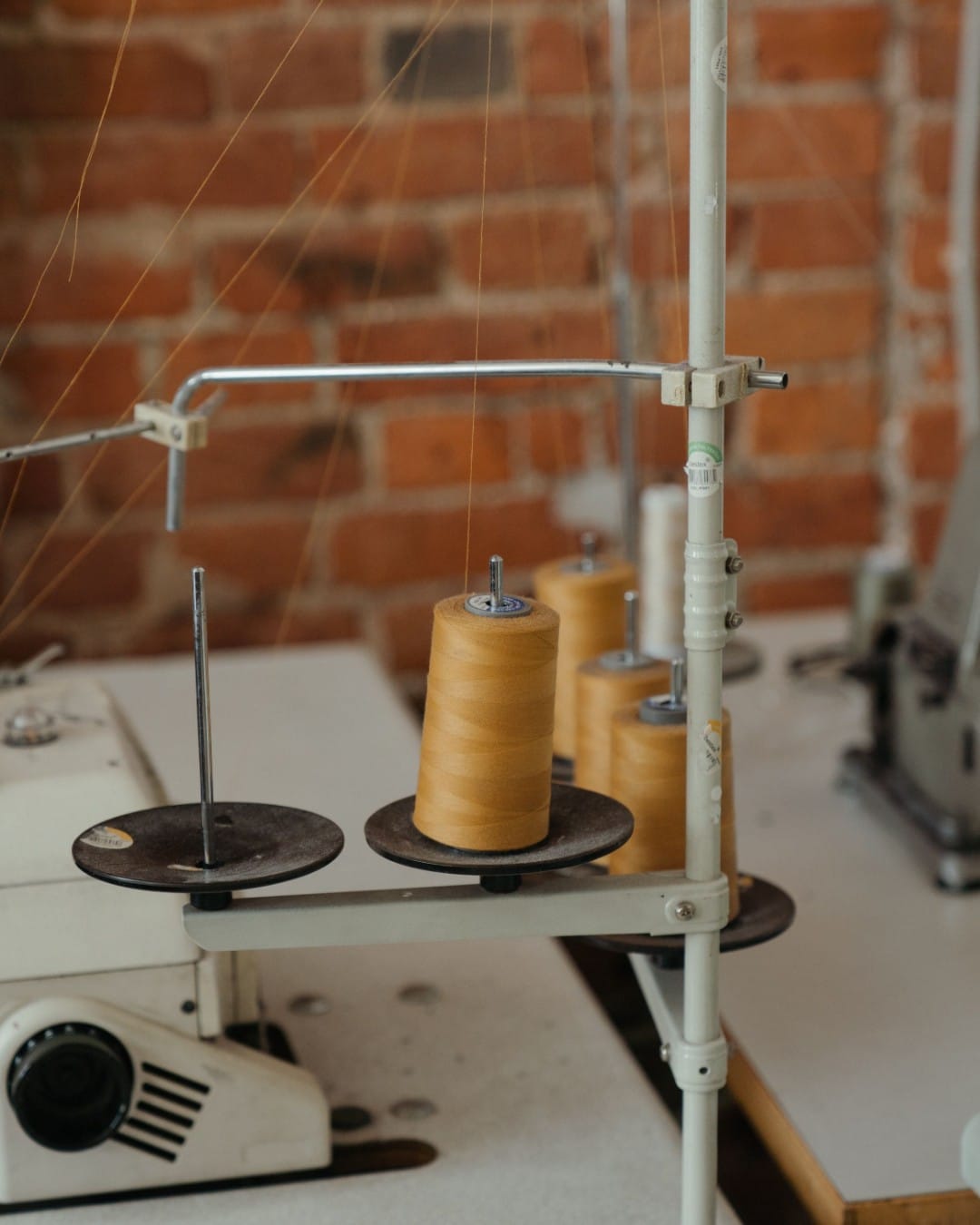
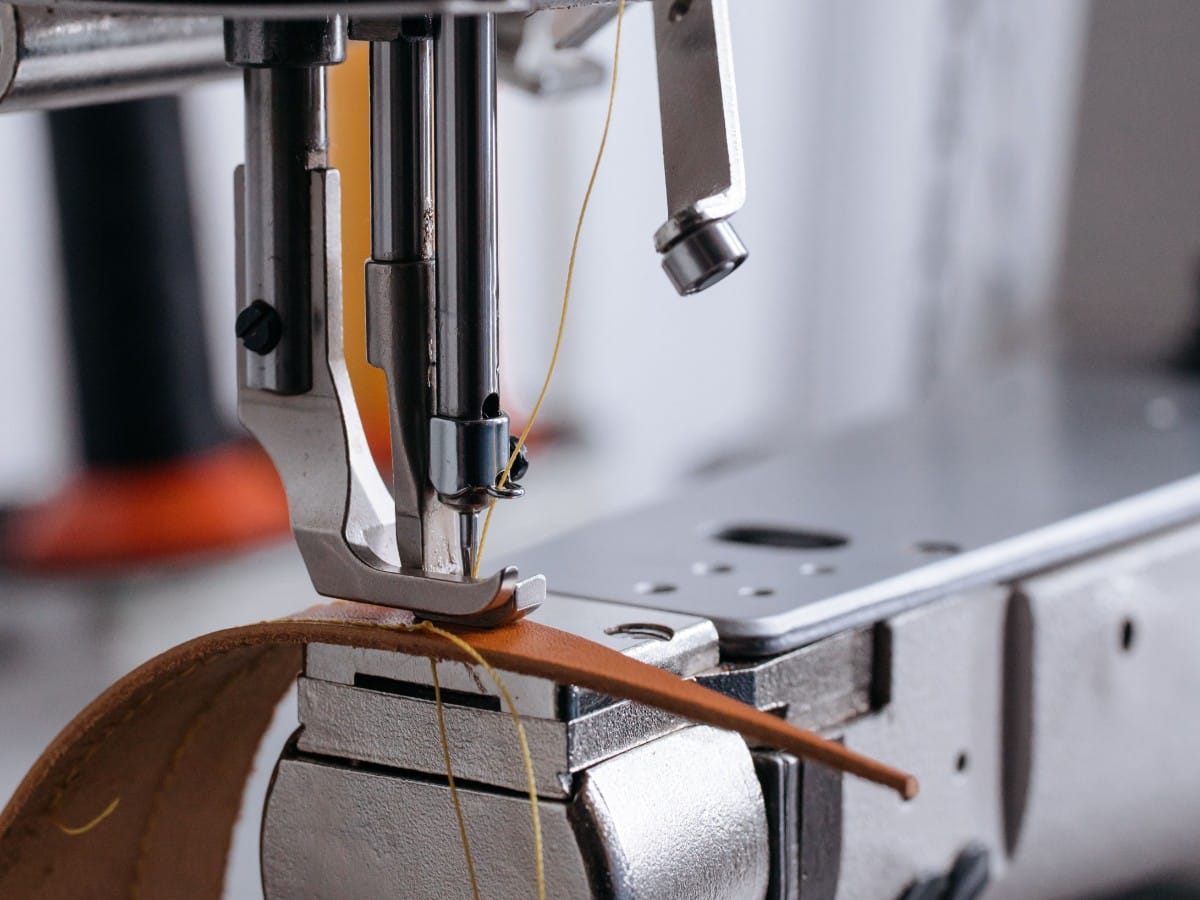
Lightweight parachute cloth at one end and heavyweight nylon cargo strapping at the other. Leather runs from kid skin up to saddle weight. Between those, most of the shop day is ballistic nylon, Cordura, and cotton duck canvas.

Send the callout with stitches per inch, thread type, and seam class and we set the machines to it. If a spec calls for something that will perforate the material or fail under your load, we say so before production instead of after the first field failure.

Our operators, in the Melbourne shop. Nothing is offshored and nothing is brokered to another sewing house. With tenure past sixteen years, the person sewing your fifth release is usually the person who sewed your first article.

Enough machines and floor space to run a large order in one release or spread across scheduled releases through the year. Give us the annual quantity and the delivery dates you need and we will quote against your schedule rather than a generic lead time.

REQUEST A PRODUCTION QUOTE

STRAP & WEBBING MACHINERY

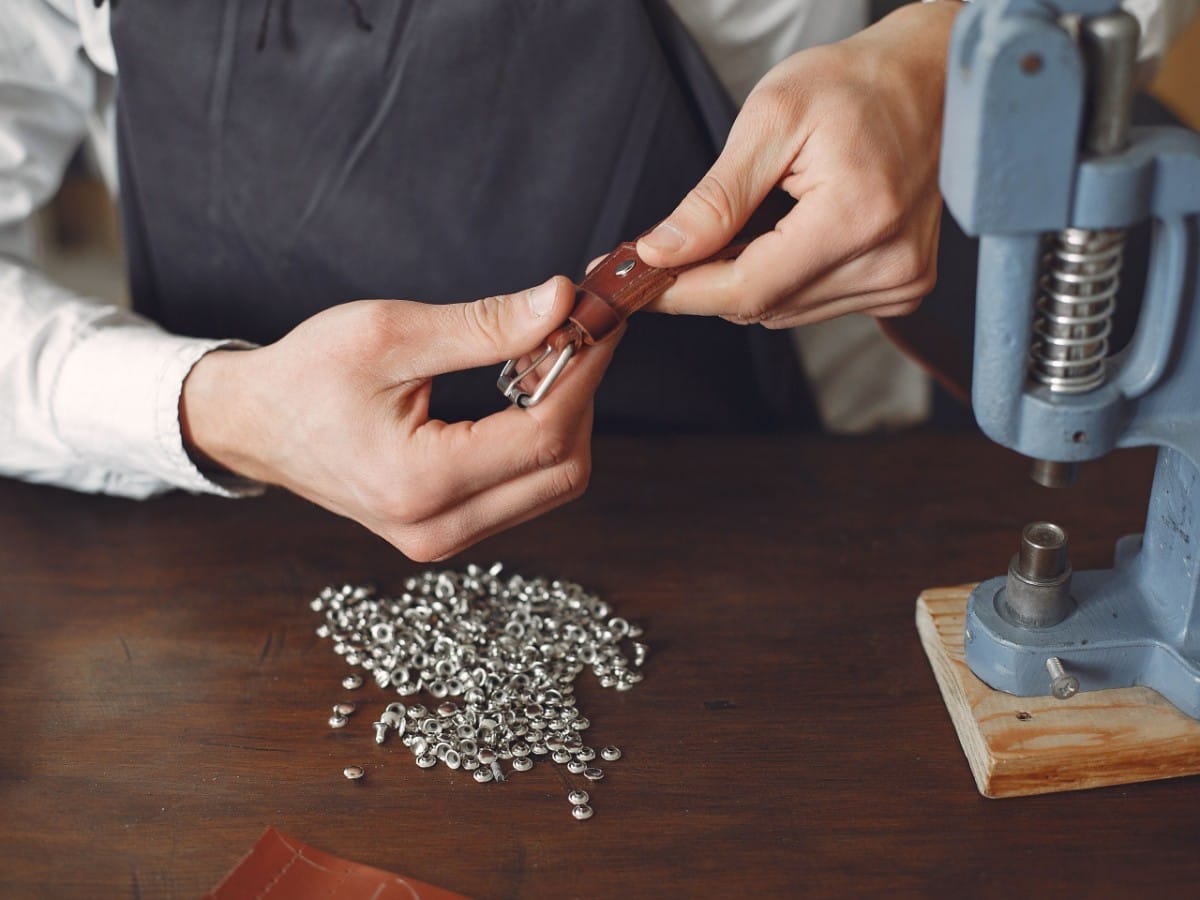
Strap makers, webbing assembly, and hardware setting equipment, all in house. Straps and handles carry the load and are the first thing to fail on a poorly built bag, so they get their own machines and their own operators.
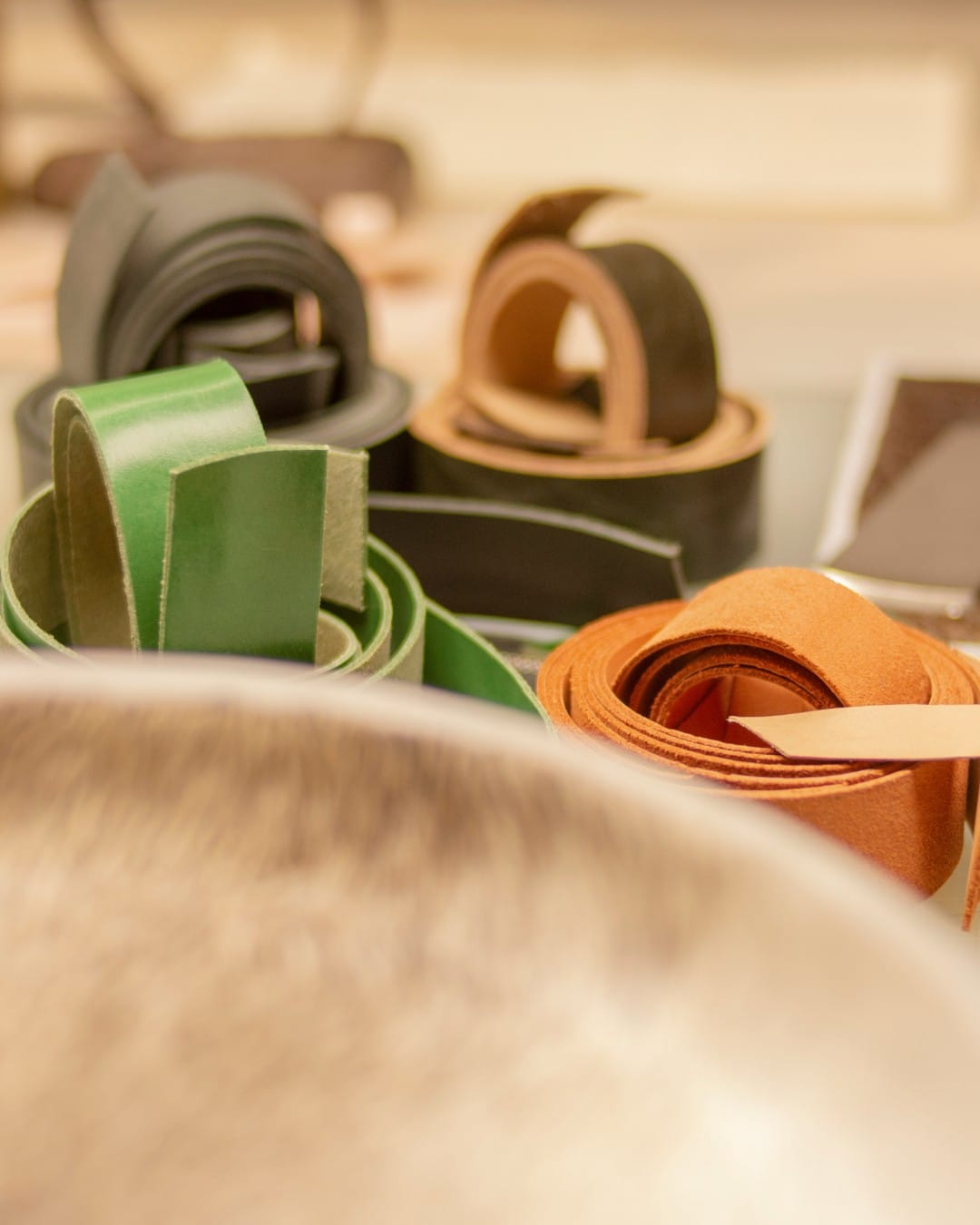
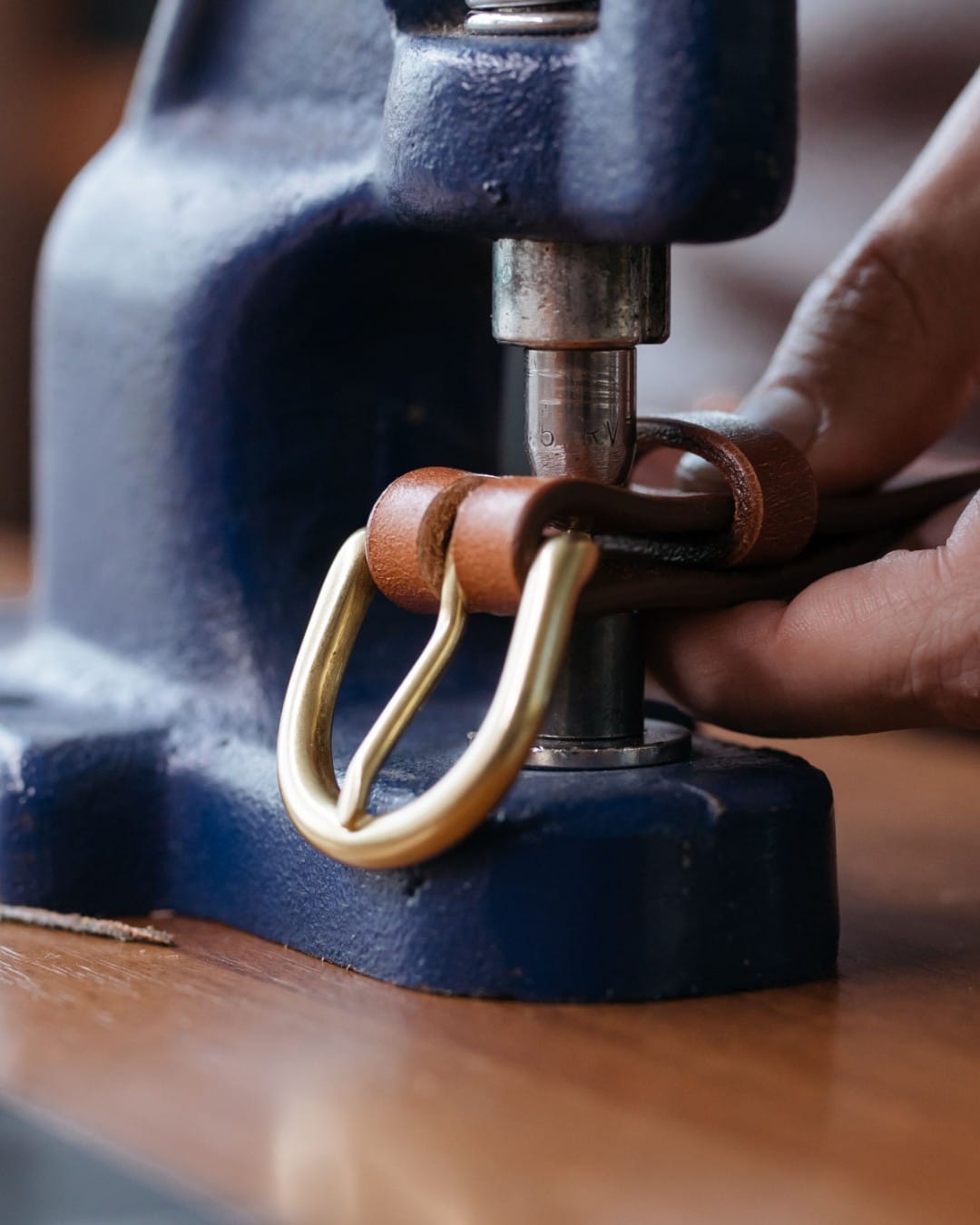
Rivets, grommets, snaps, buckles, and dees in metal, plus plastic buckles, dees, snaps, and zippers. If your spec names a part number, we buy the part number.

Yes. Shoulder straps, handles, tie-downs, and webbing assemblies ship on their own to customers who assemble in house or who need replacements for equipment already fielded.

From the loaded weight, how the load is carried, and how often. Those three inputs drive webbing width and weight, stitch pattern at the attachment points, and hardware rating. Undersized hardware and a weak attachment stitch cause most strap failures, and both are cheap to fix at design stage and expensive to fix in the field.

Usually. Send a physical sample rather than a color name, since webbing colorways and hardware finishes vary by supplier and by lot. We confirm against the sample before a production run.

ASK ABOUT STRAP WORK

MARKING & DECORATION

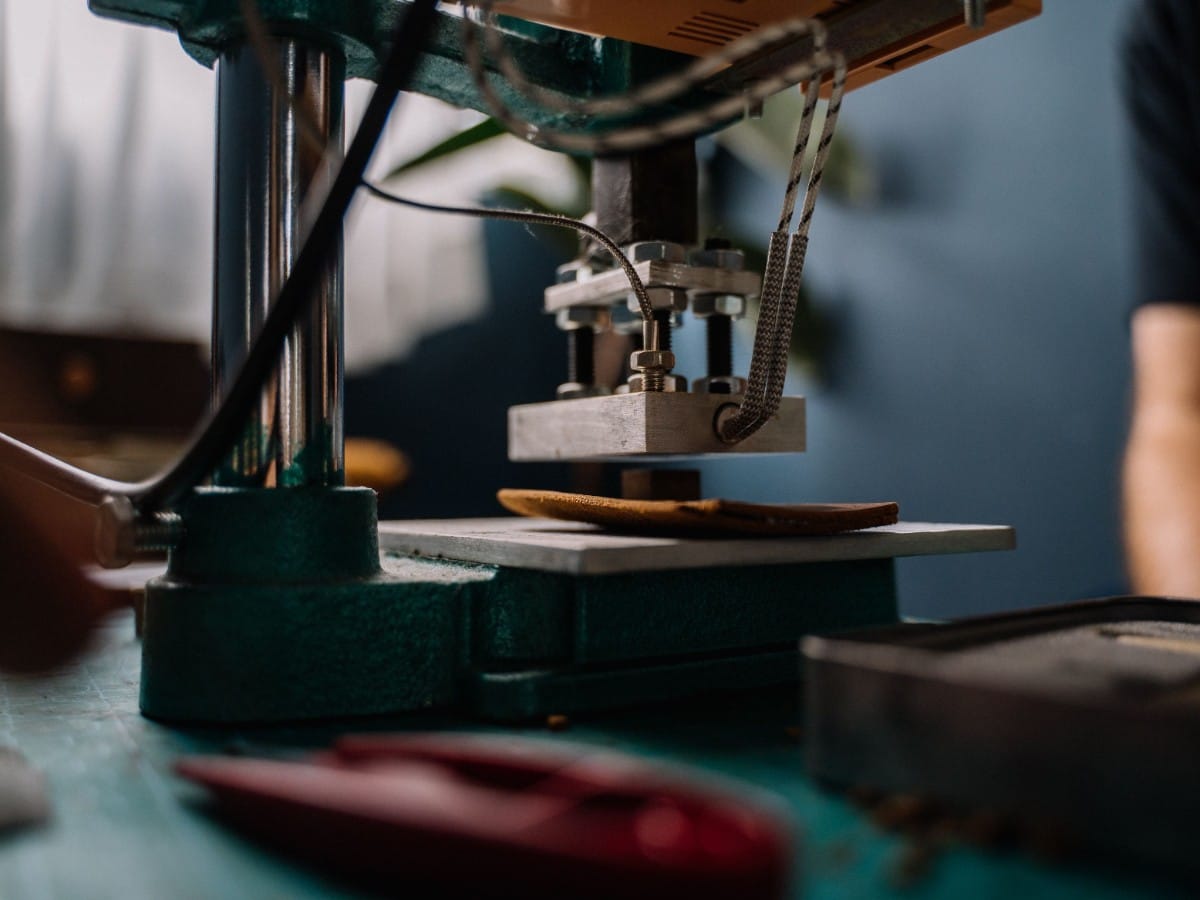
Embroidery, heat transfer, vinyl cutting, and embossing machines run in the same building as the sewing. Branding does not go out to a third party and does not add a shipping leg to your lead time.
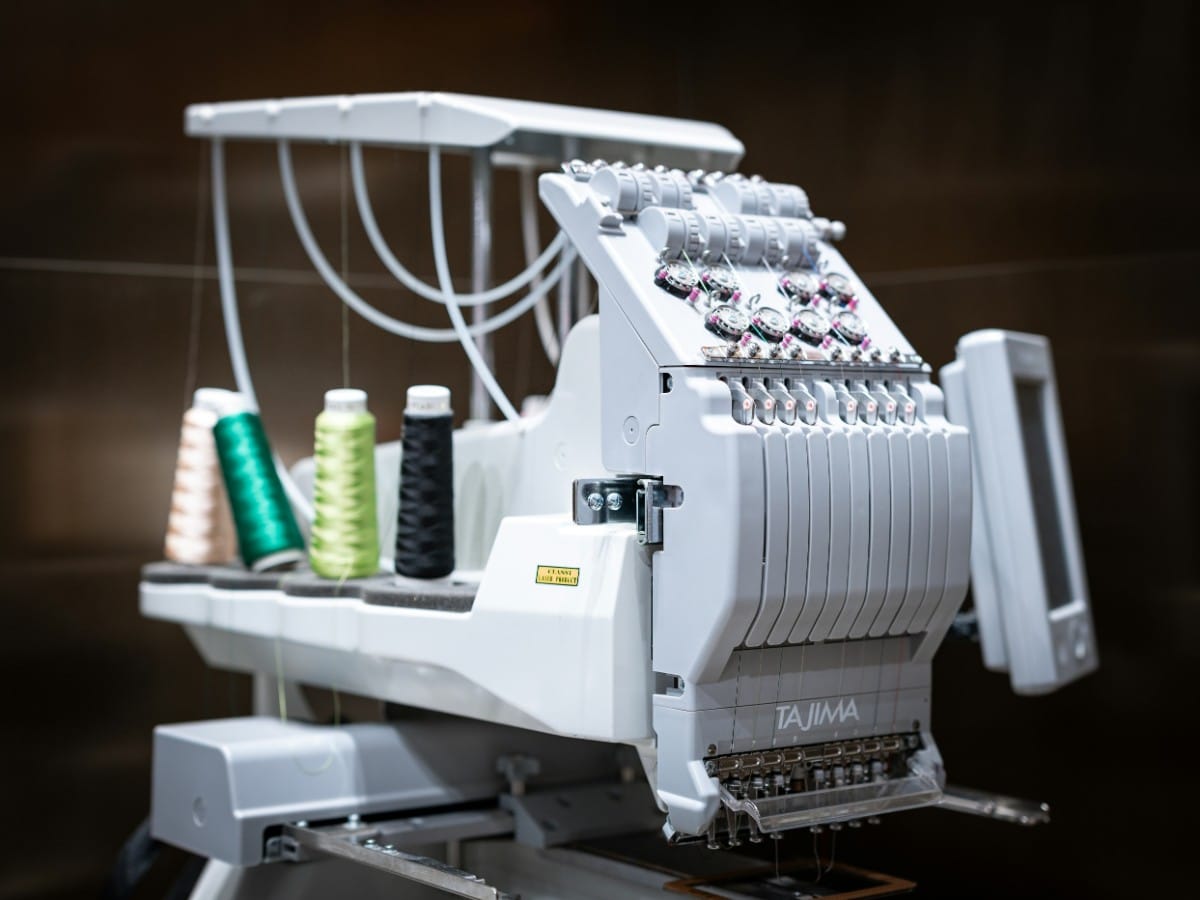
Vector art, with any exact colors called out by number rather than described. For embroidery we also need to know the finished size, because thread has a floor on how small text and fine detail can go before it closes up.

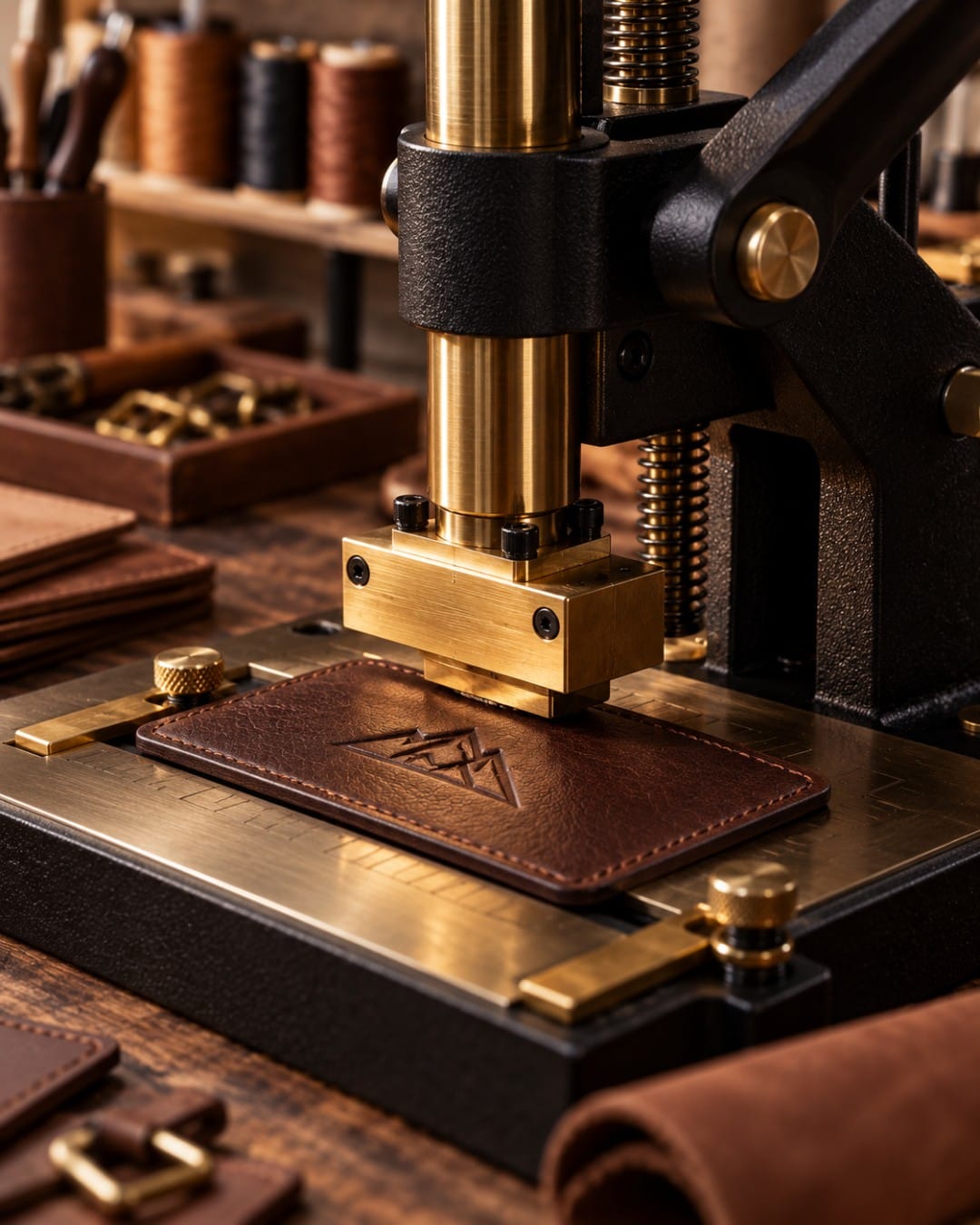
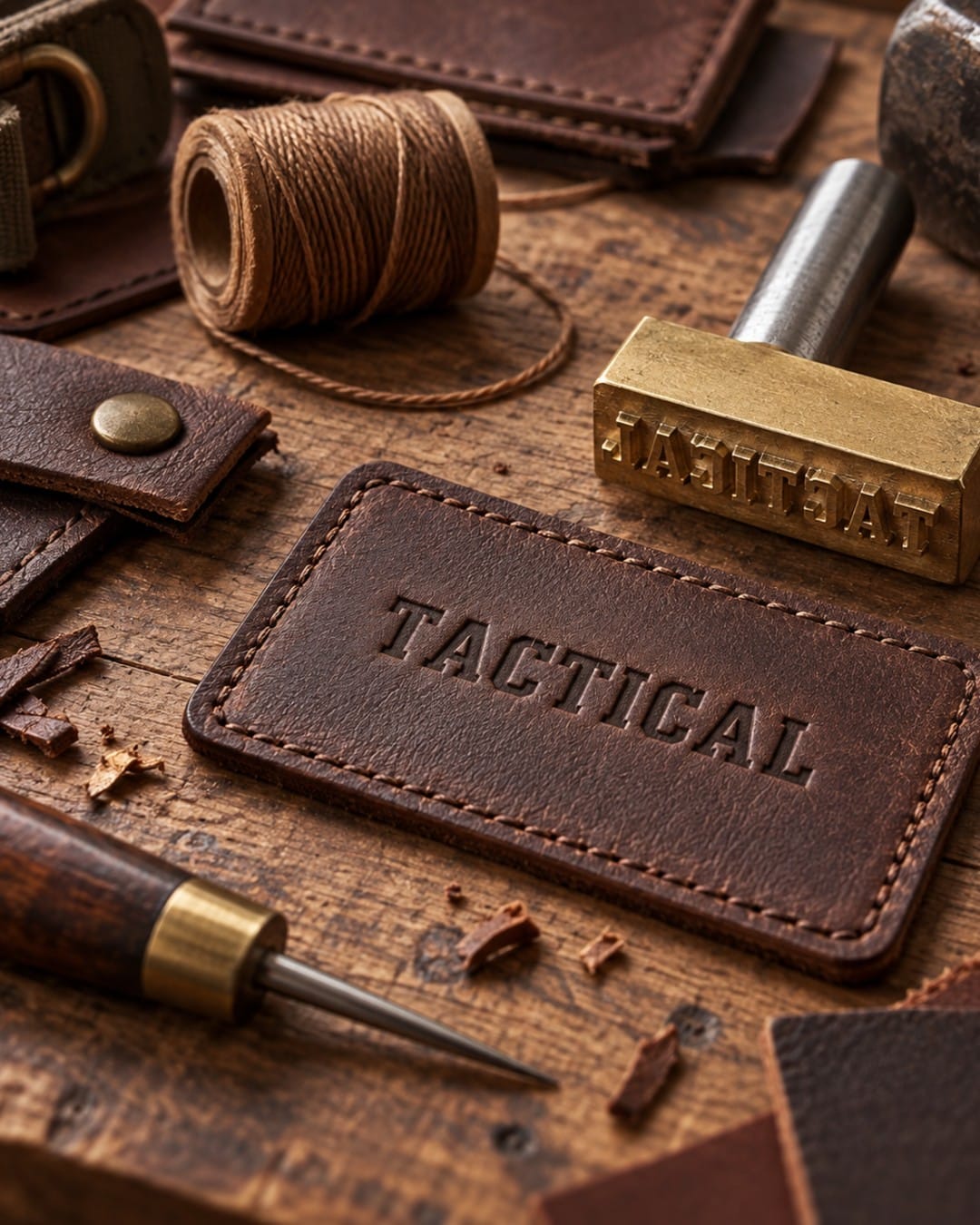
Embroidery takes the most abuse on fabric and is the default for gear that gets handled hard. Heat transfer holds fine detail and multiple colors and works best on flat panels. Embossing is the leather answer. Tell us the material and where the mark sits on the product and we will pick.

Yes, and on most products that is the better sequence. A flat panel goes under the embroidery head or the heat press cleanly, where a finished bag has seams and bulk in the way. We plan the marking step into the build rather than adding it at the end.

Raise this on the RFQ with the format and the sequence you need. It is a real requirement for defense buyers and it needs to be built into the process, not added after production starts.

SEND US YOUR ARTWORK

THE LEATHER BENCH

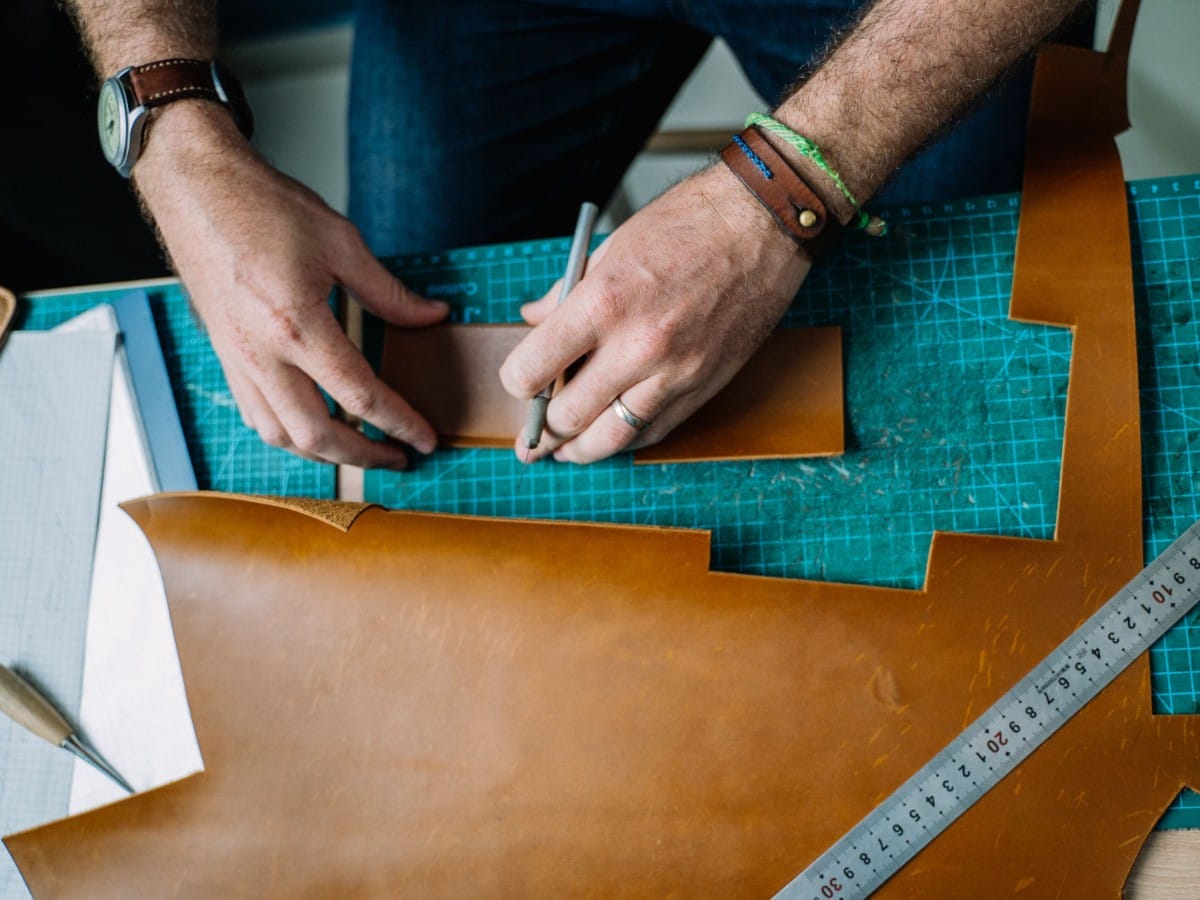
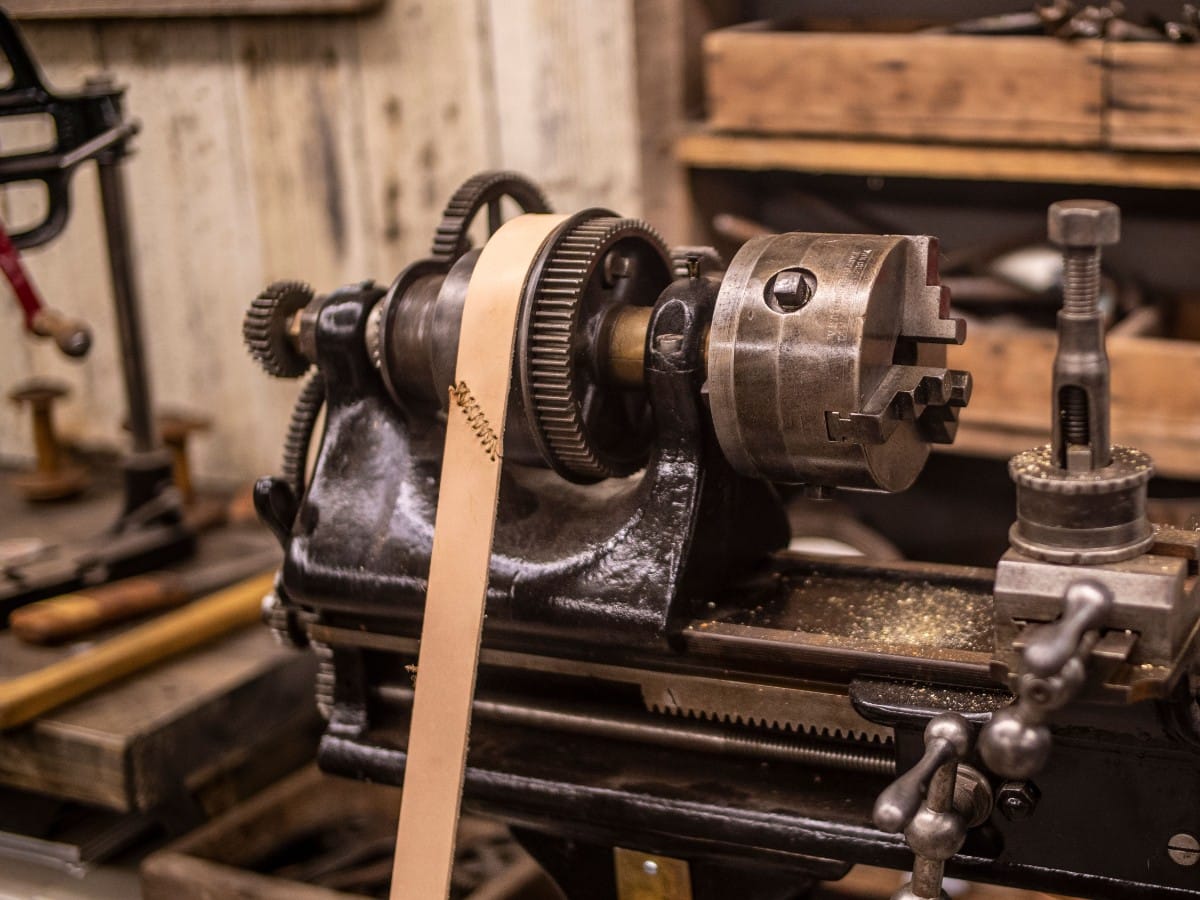
Tim Kennedy started this shop in 1971 with a backpack of leather tools and forty dollars. Those tools are still on the bench, and hand tooling, hand stitching, and finishing still happen the same way alongside the industrial machines.
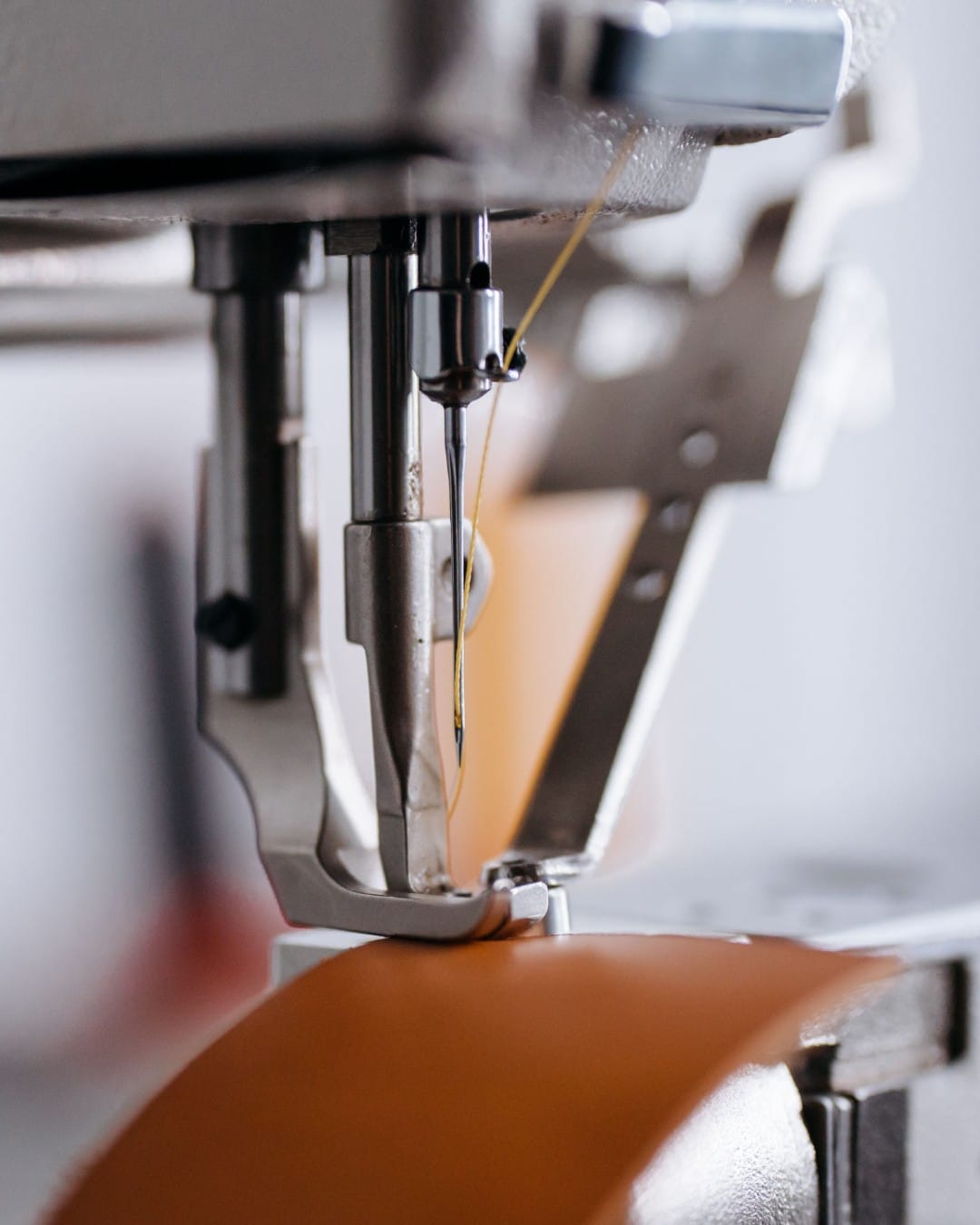
Heavy tooling leather, lightweight and garment grade, and exotics. Weight and temper get chosen against how the piece is used, since a holster and a bag panel want different leather even when the color matches.

Yes, in house. Labels, patches, and branded leather trim are made here and applied here, which keeps them out of a separate vendor’s queue.

Yes. Tooled or hand finished leather details get combined with machine sewn nylon and canvas assemblies regularly. Tell us at quote stage, since hand operations change the per-unit time in a way that machine work does not.

Yes. Holsters, sheaths, badge holders, and custom pieces come through the shop alongside the contract work. It is the work the company was founded on.

START A LEATHER PROJECT