MATERIALS

MATERIALS WE SOURCE AND SEW

Ballistic nylon, Cordura, packcloth, ripstop, and webbing. Cotton duck from 10 oz to #4. Clear vinyl and Naugahyde. Polyurethane, polyethylene, and XLPE foam. ABS, HDPE, and Kydex backing. Leather from garment weight to heavy tooling. Domestic, Berry compliant, and Mil-Spec when the contract calls for it, off a supplier network built over fifty years.


NYLON & SYNTHETIC FABRICS

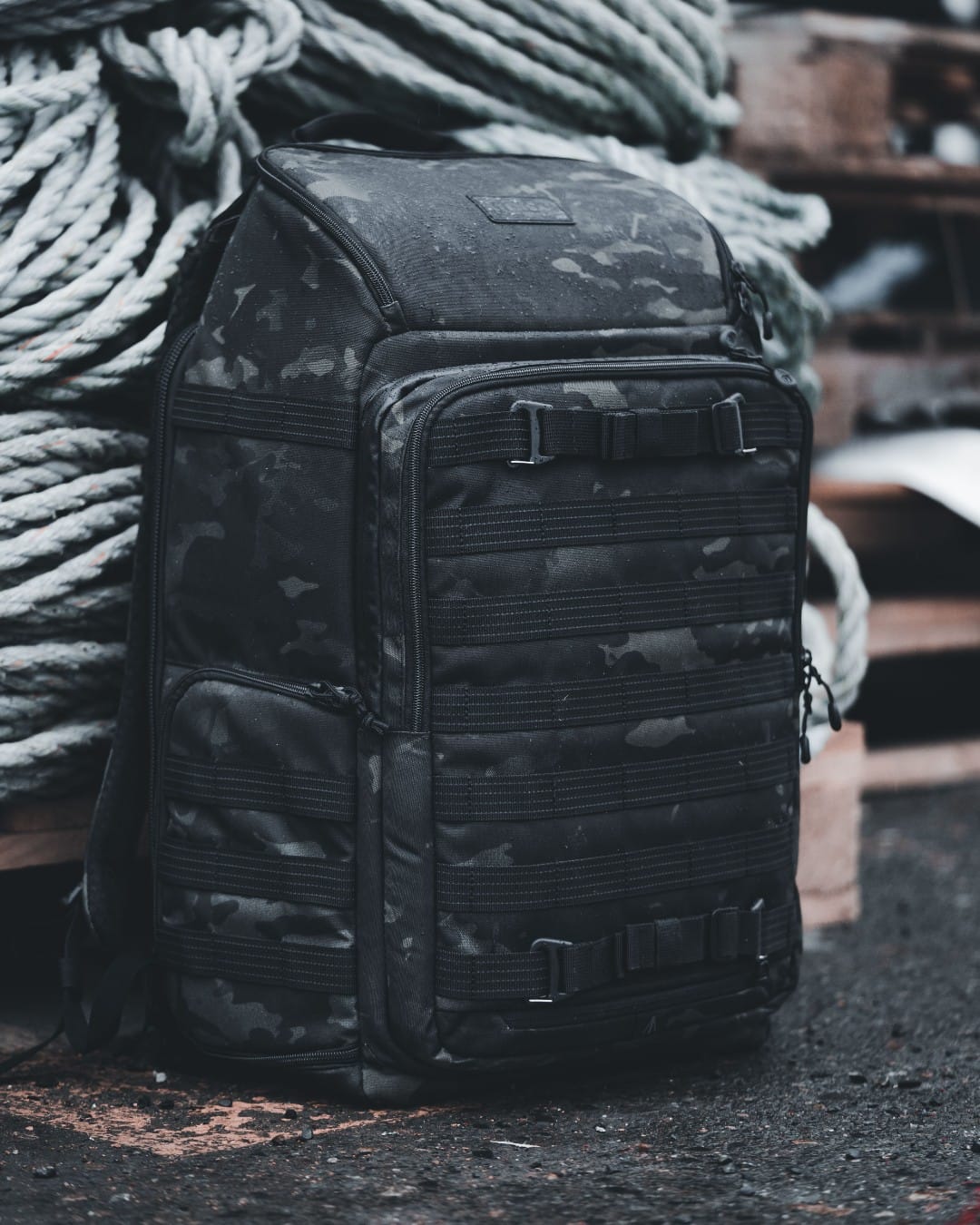
Most of what leaves this shop is built from synthetics. Ballistic nylon and Cordura where abrasion is the enemy, packcloth and ripstop where weight is, and nylon webbing wherever the load has to go somewhere.
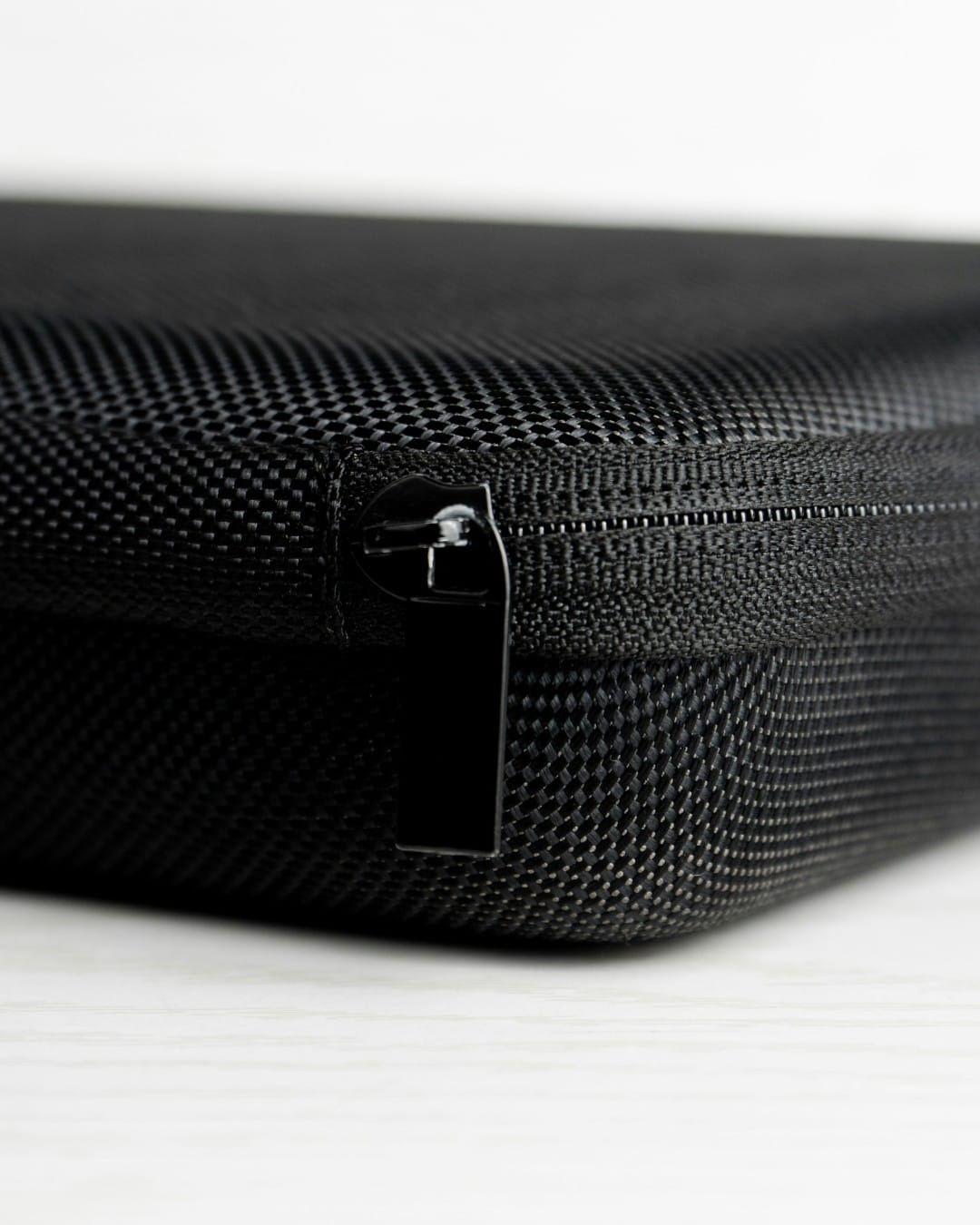
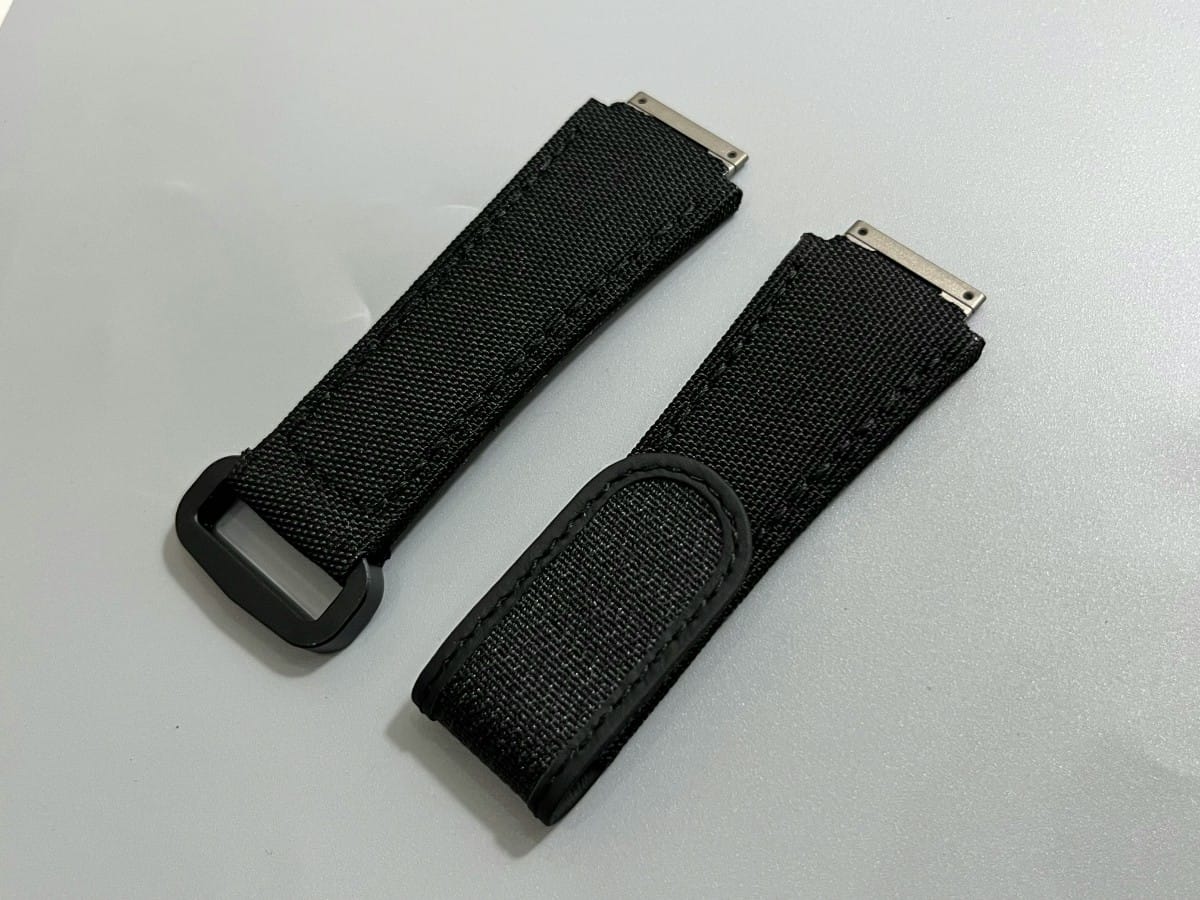
Both are heavy duty and they fail differently. Ballistic weave resists tearing and puncture and has a smoother finish. Cordura is built around abrasion resistance and holds up better against repeated scuffing on concrete, ramps, and truck beds. If your case gets dragged and set down all day, Cordura. If it takes point impacts and snags, ballistic.

Tell us the loaded weight, where the product lives, and how long it has to last. Heavier fabric buys abrasion life and costs you carry weight and flexibility. Going heavier than the job needs is a common way to make a bag nobody wants to use. We will recommend a weight against your use case rather than defaulting to the heaviest thing on the shelf.

Water resistant, not waterproof, unless the construction is built for it. Coatings shed water off the face of the fabric, but stitch holes and zippers are the actual path water takes. If the contents cannot get wet, say so at design stage so we can address seams, flap coverage, and closure type instead of relying on the fabric alone.

Yes. Domestic Berry compliant nylon is available across the common weights. Flag it on the RFQ, since Berry material runs higher in cost and longer in lead time than the commercial equivalent and it needs to be in the quote rather than discovered after award.

REQUEST A MATERIAL RECOMMENDATION

CANVAS & COATED FABRICS

Cotton duck from 10 oz through #4, plus clear vinyl and Naugahyde. Natural fiber still wins on some jobs, and a coated surface is the right answer whenever something needs to be seen through or wiped down.
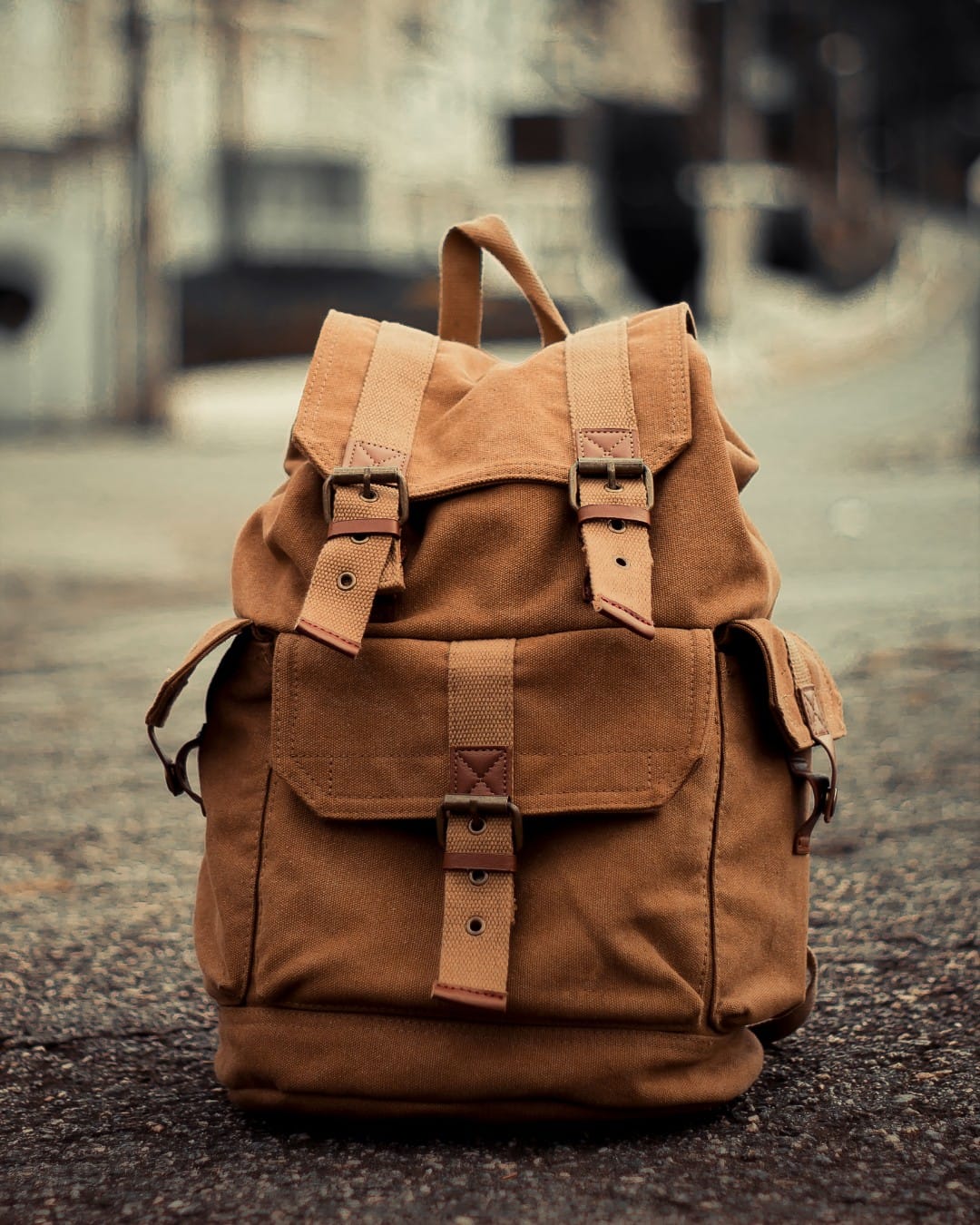
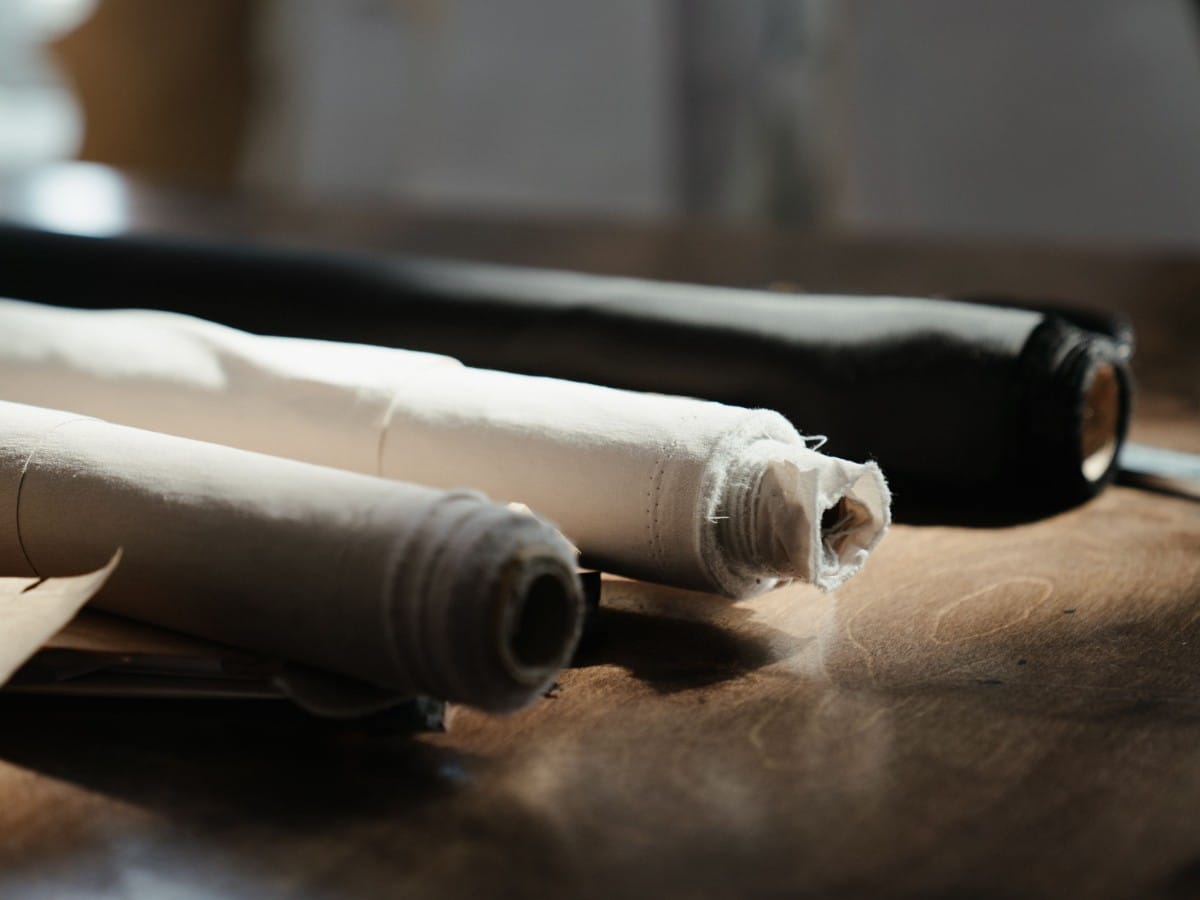
Feel, repairability, and how it ages. Waxed and untreated duck is the traditional choice for tool bags, leather-trimmed goods, and anything where the product is meant to look and feel like it was made rather than molded. Canvas also takes a patch and a repair stitch better than coated synthetics do. It is heavier than nylon for the same strength, so it is a deliberate choice, not a default.

Duck is graded by number and by ounce weight, and the two run in opposite directions. Lower numbers are heavier fabric. A #4 duck is substantially heavier than a 10 oz. Tell us the application and we will tell you the number, or send a swatch of what you are already using and we will match the weight.

Anywhere contents have to be identified without opening the bag. Document pouches, inspection windows, parts kits, and equipment bags that get checked at a gate all use it. Vinyl stiffens in cold and clouds over time with UV exposure, so window placement matters on anything living outdoors.

Panels and surfaces that need a wipe-clean face and a finished look without leather cost. It shows up on medical and instrument cases and on interior surfaces where cleaning matters more than breathability.

request a quote

LEATHER

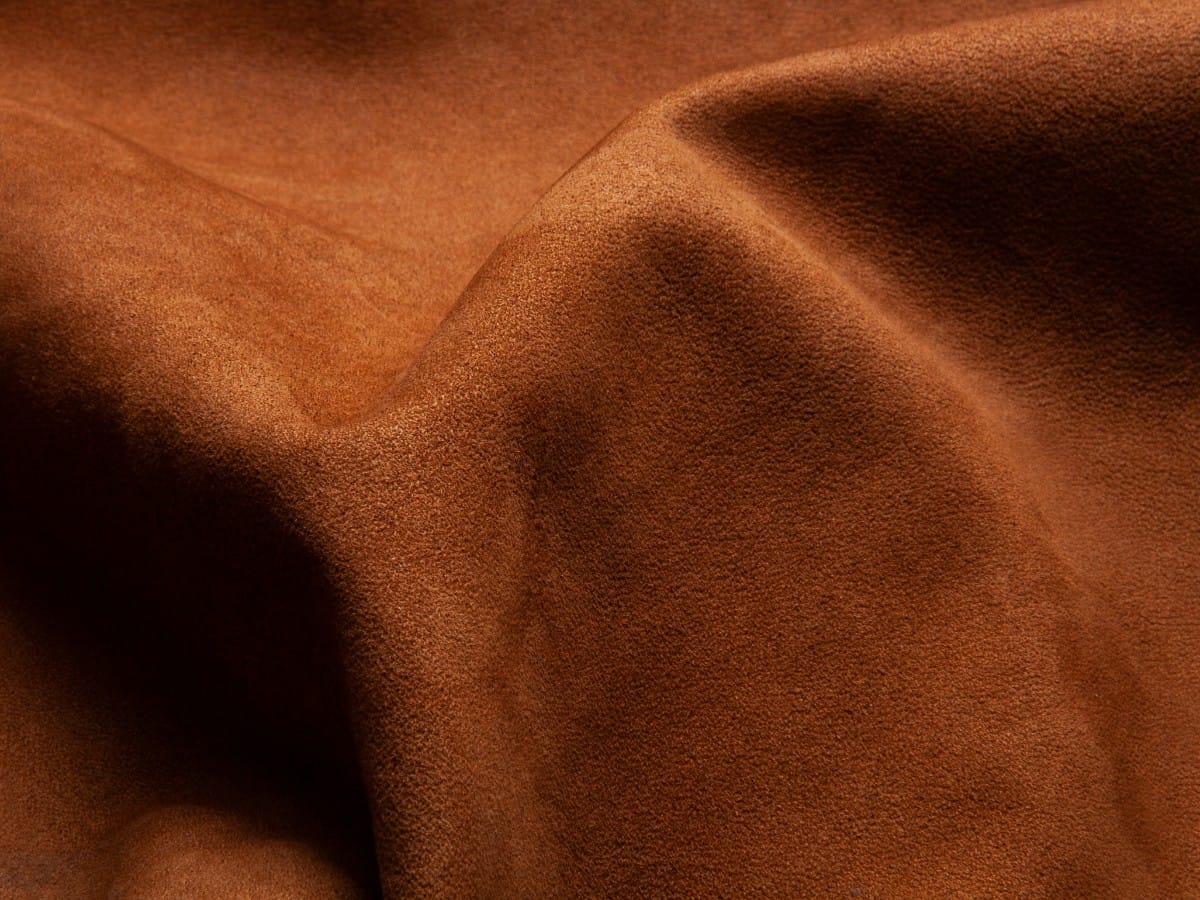
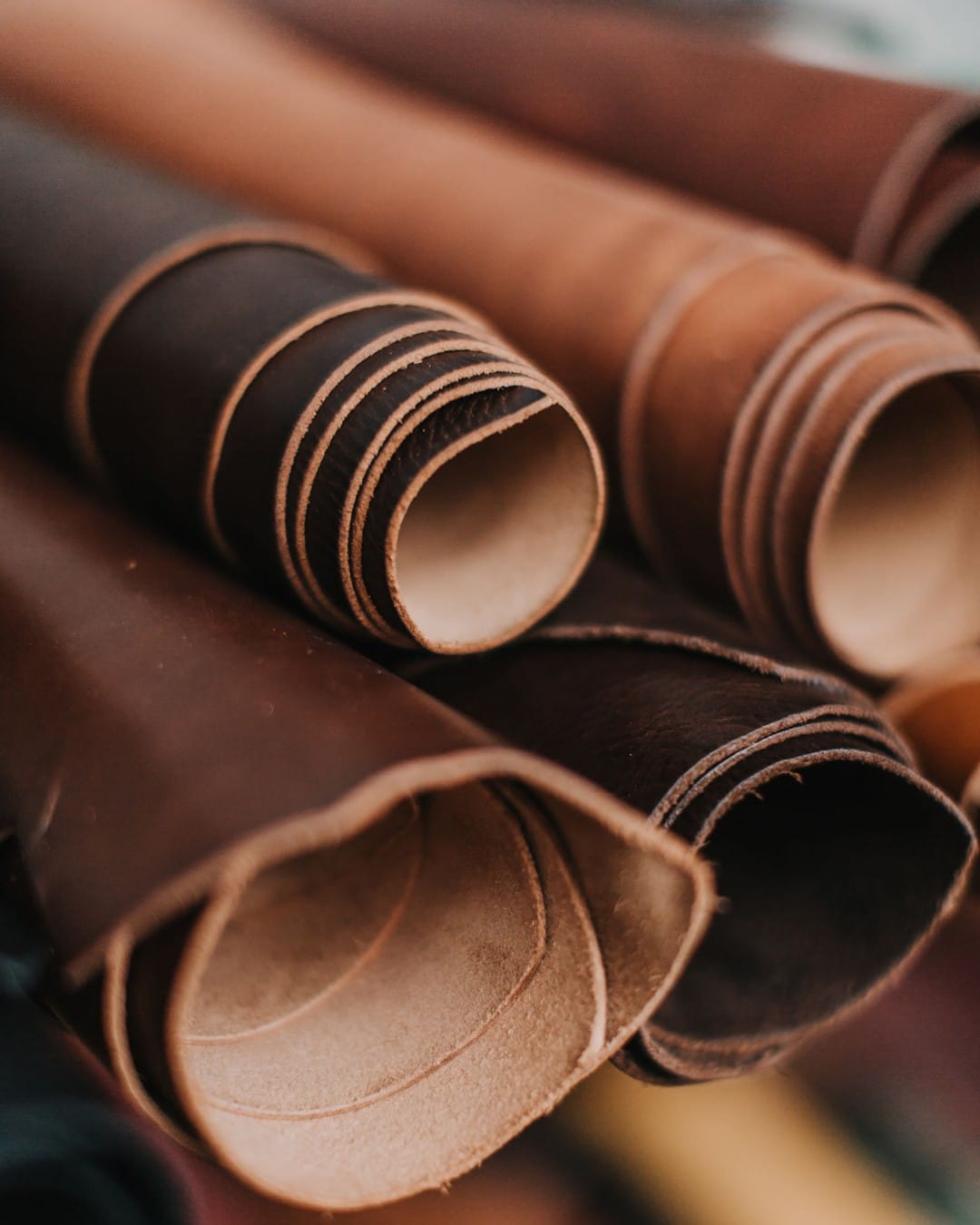
Heavy tooling leather, lightweight and garment grade, and exotics. Fifty five years of buying it and a bench full of tools for working it by hand.
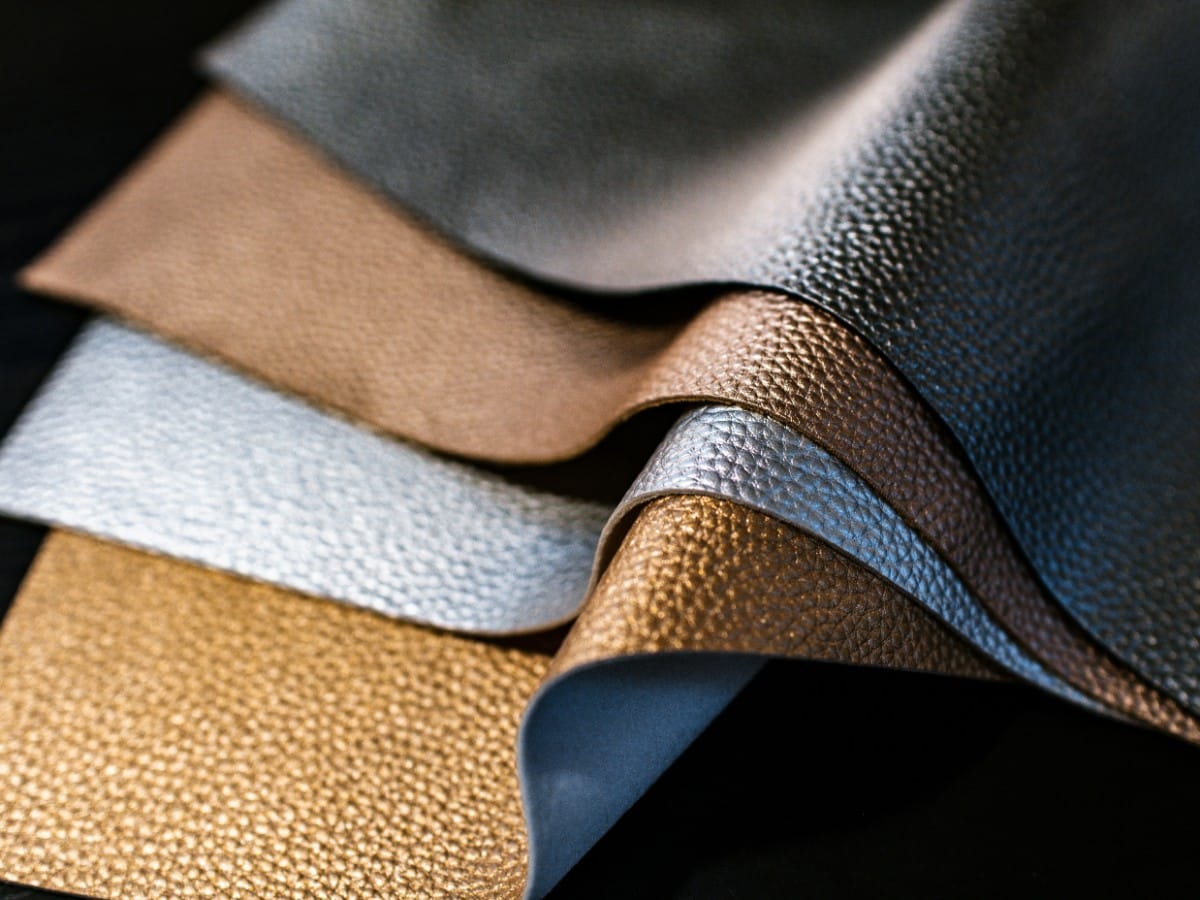
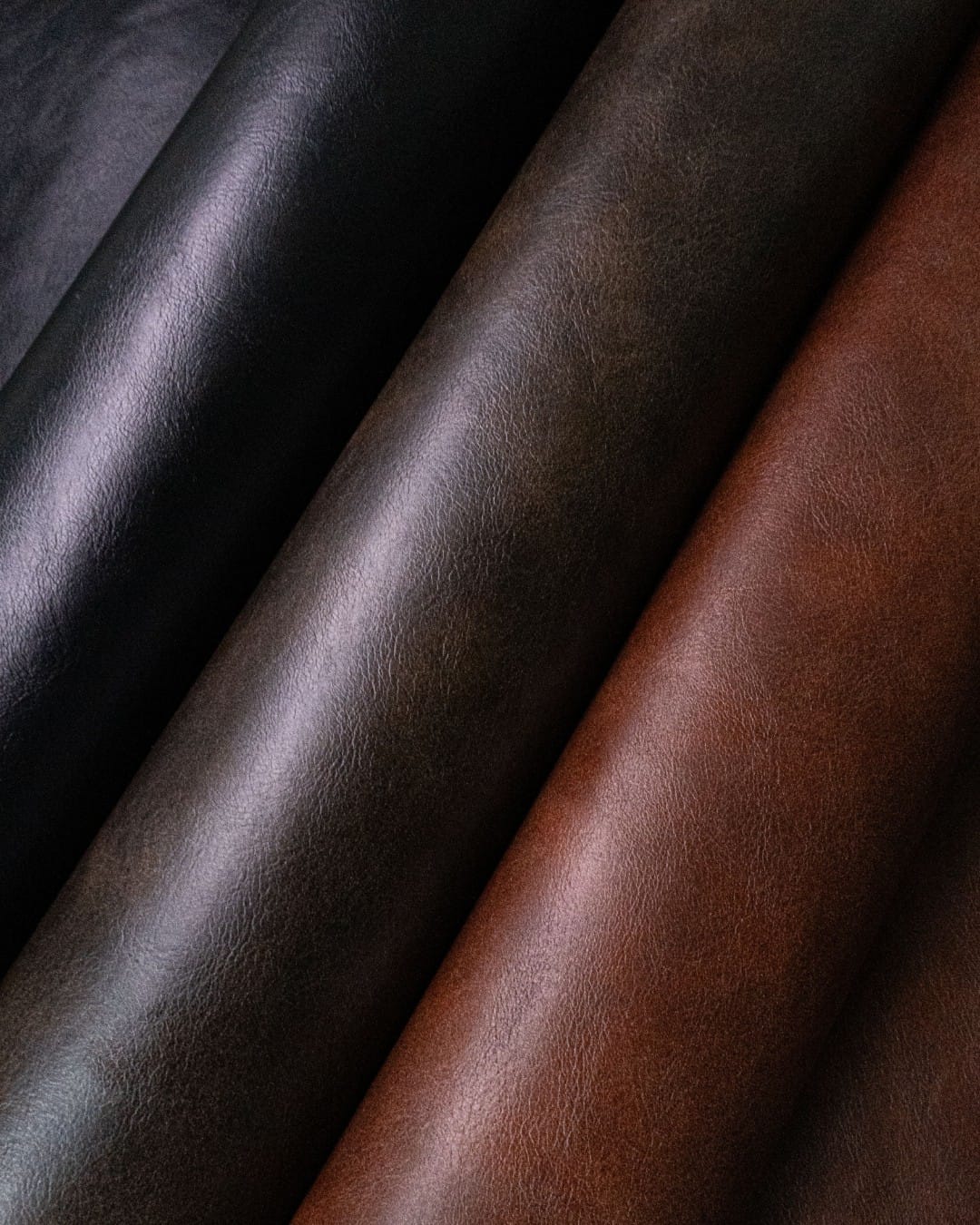
It comes down to whether the leather is holding shape or wrapping something. Holsters, sheaths, and structural straps want heavy tooling leather that stands on its own. Bag panels, linings, trim, and labels want lighter weights that drape and stitch clean. Send us the piece or the drawing and we will call the weight.

Yes, in house. Hand tooling, embossing, and stamped leather labels are all done here on tools the founder started with in 1971. Send vector artwork for embossing and note the finished size.

Against a physical sample, not a screen. Leather takes dye unevenly by hide and by lot, and two orders of the same stated color will not land identically. If exact match across a run matters, we buy the run out of the same lot and tell you what that does to lead time.

Yes, on request. Availability, cost, and legal restrictions vary by hide and by species, so exotics get quoted case by case rather than off a price list.

START A LEATHER PROJECT

FOAM & PADDING

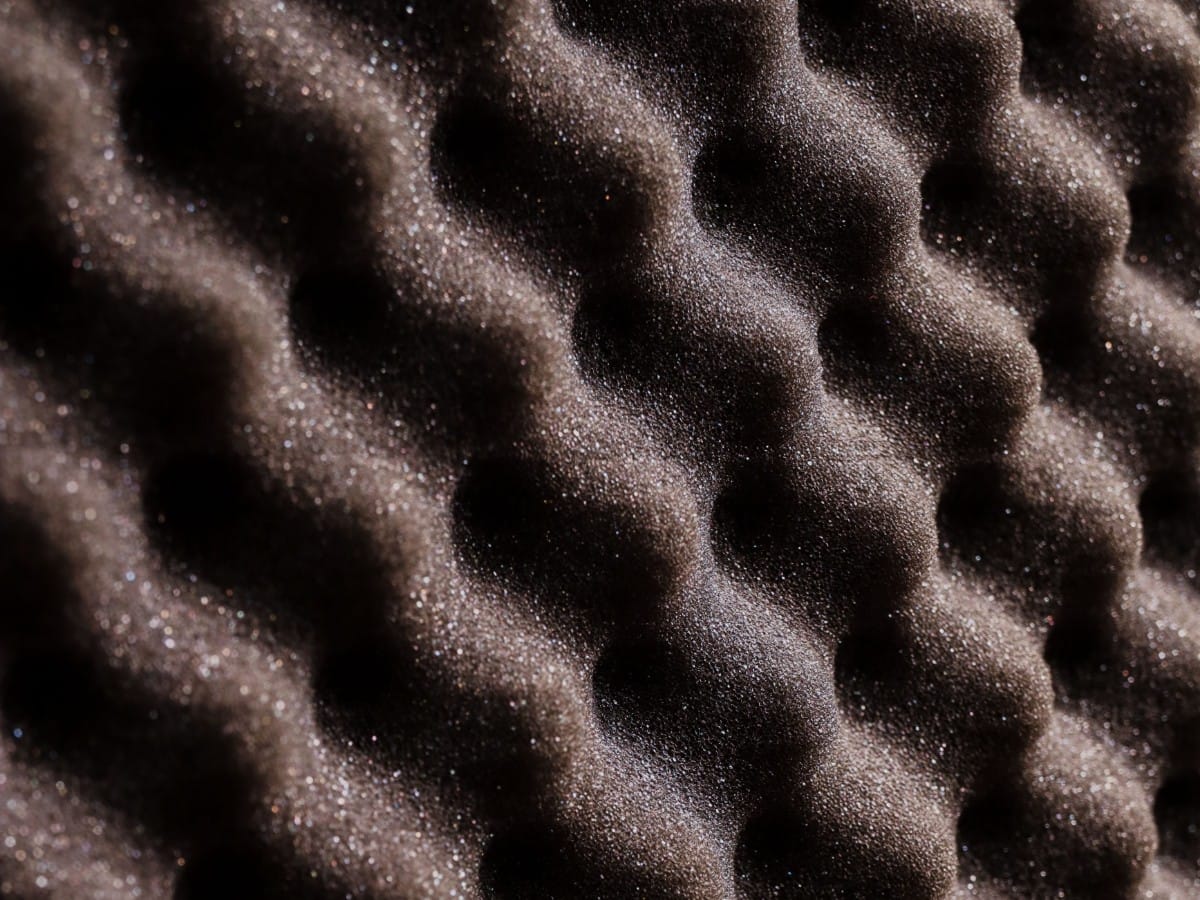
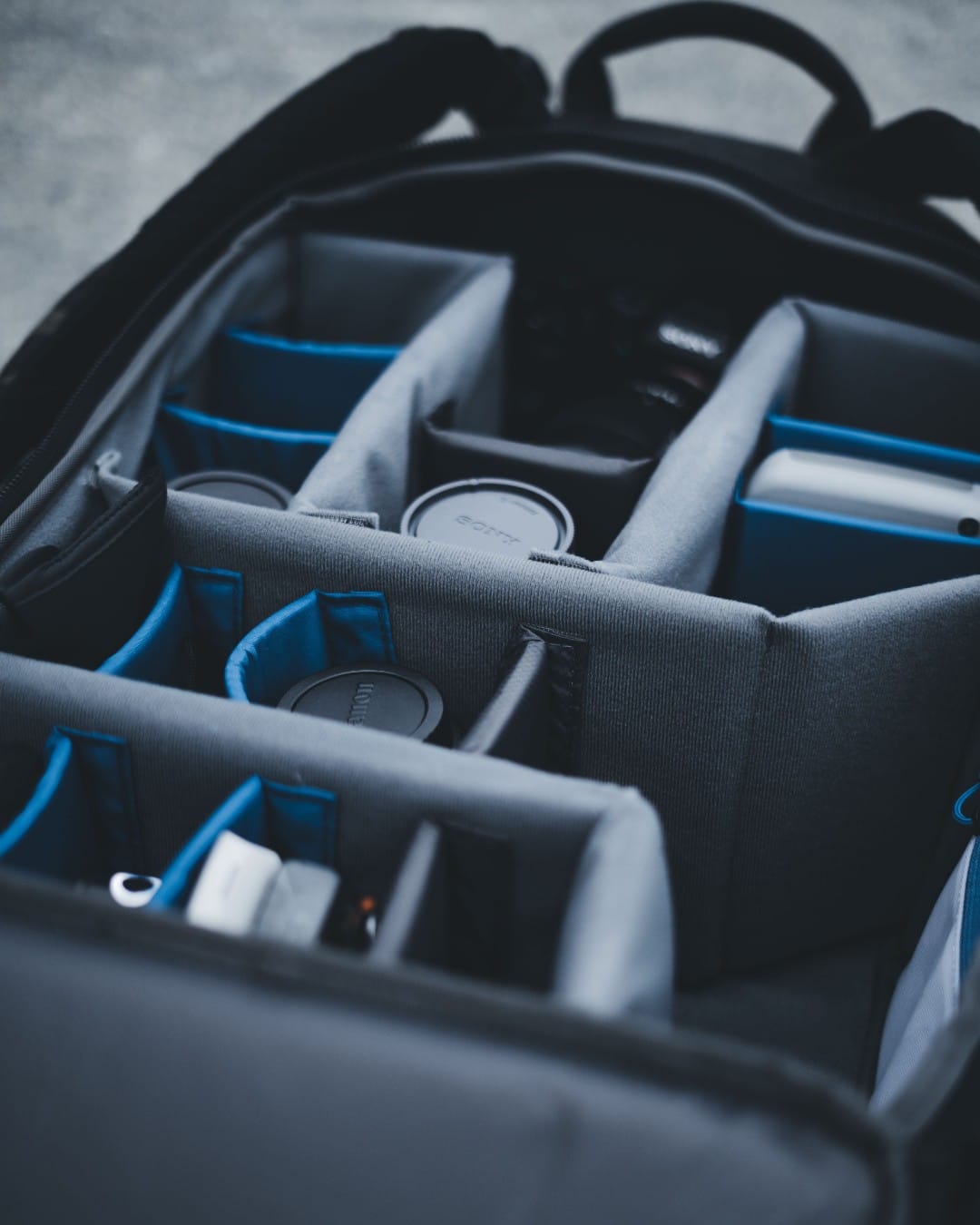
Polyurethane, polyethylene, and XLPE, cut to hold your equipment in one place. Foam is the part of a soft case that does the actual protecting, and picking the wrong density is how a case passes inspection and fails in the field.
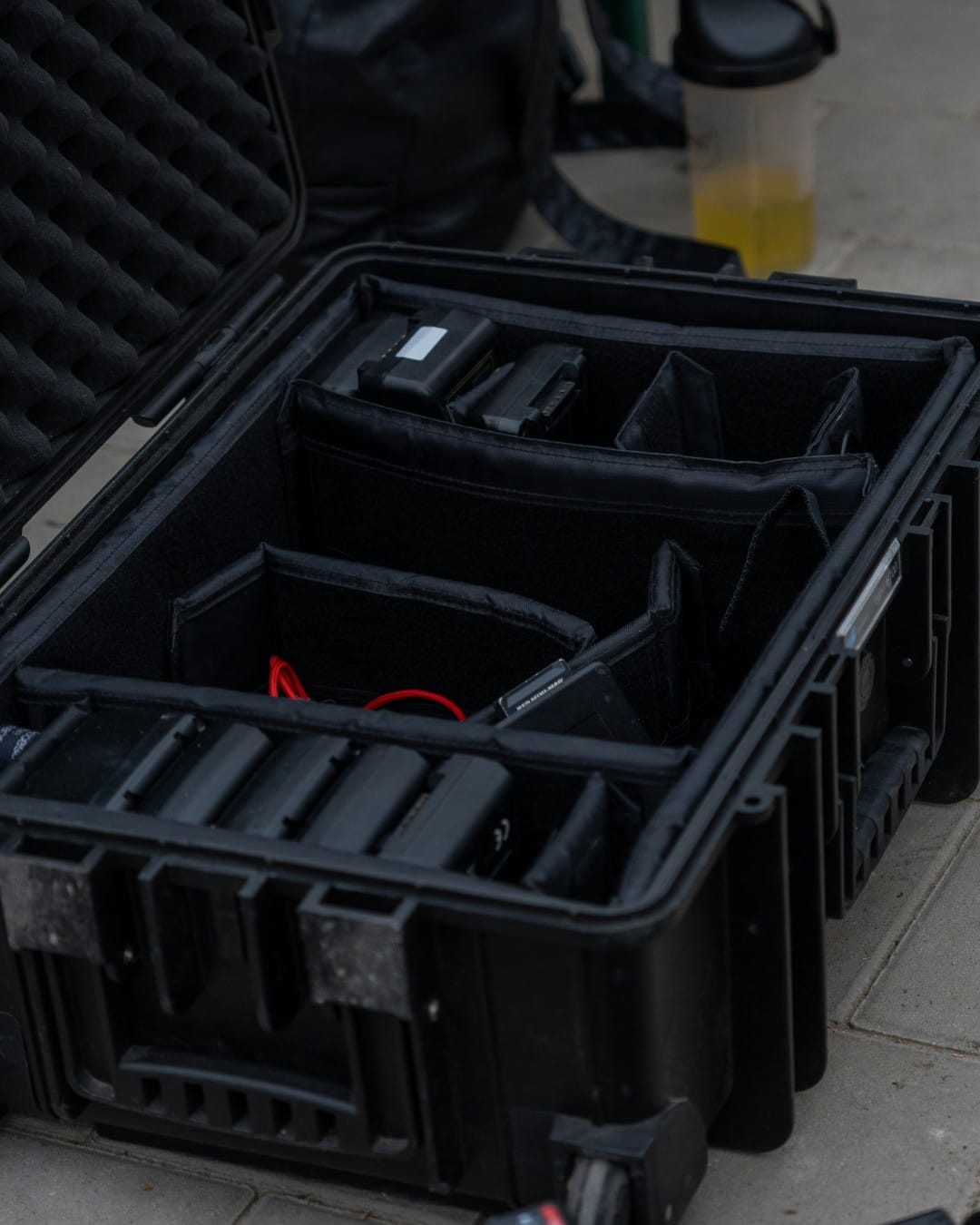
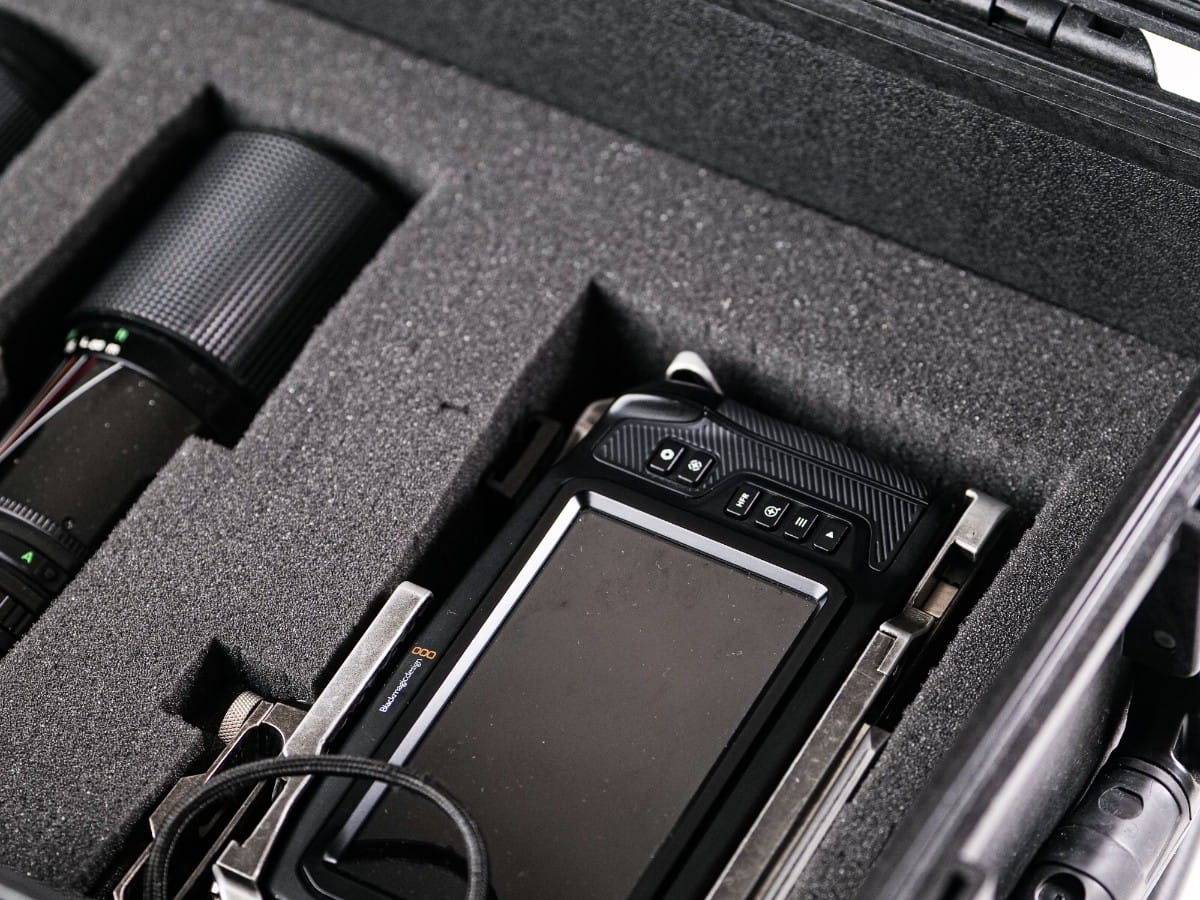
Open cell polyurethane is soft, cushions well, and is the usual pick for lighter items and for pluck-and-place style inserts. Polyethylene is closed cell, denser, and holds a cut shape under weight, which is what heavy equipment needs. XLPE is the finer, more finished closed cell option where surface appearance and consistency matter. Give us the weight of the item and how often the case is opened and we will spec it.

Foam that gets loaded in the same spot every day slowly stops springing back. The cavity loosens, the equipment starts to move, and the protection you paid for is gone while the case still looks fine. Denser closed cell foam resists this. It is the single most common reason a working insert stops working after a year.

No. Ship us the equipment and we cut to the actual item, which is more accurate than any drawing. If you have a CAD package or a dimensioned print, we will work from it instead.

Yes, and it is usually the better build. A cut foam core inside a sewn nylon or canvas shell delivers impact protection plus a carry system in one piece, and it typically comes in lighter and cheaper than a hard case doing the same job.

ASK ABOUT AN INSERT

RIGID BACKING & COMPOSITES

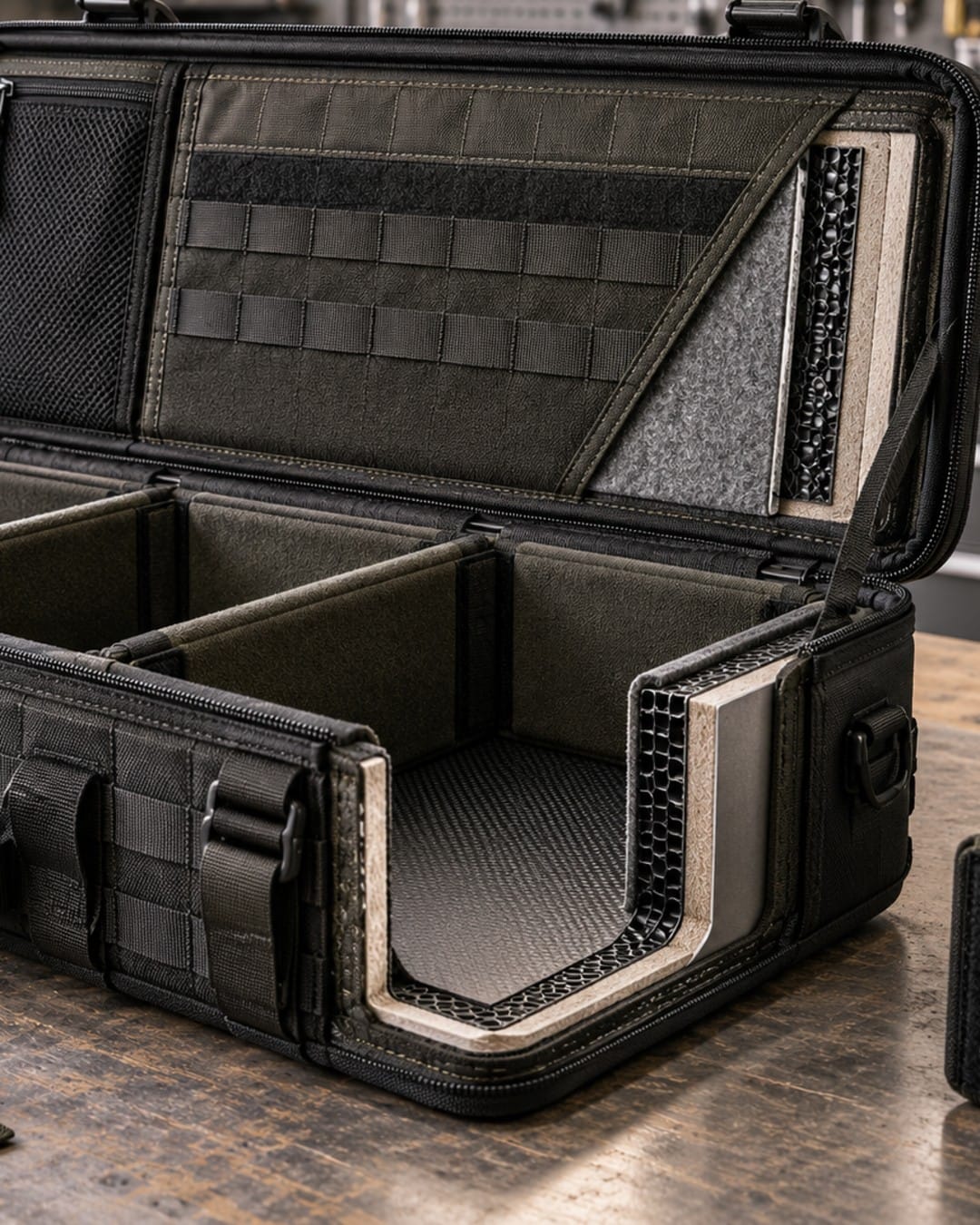
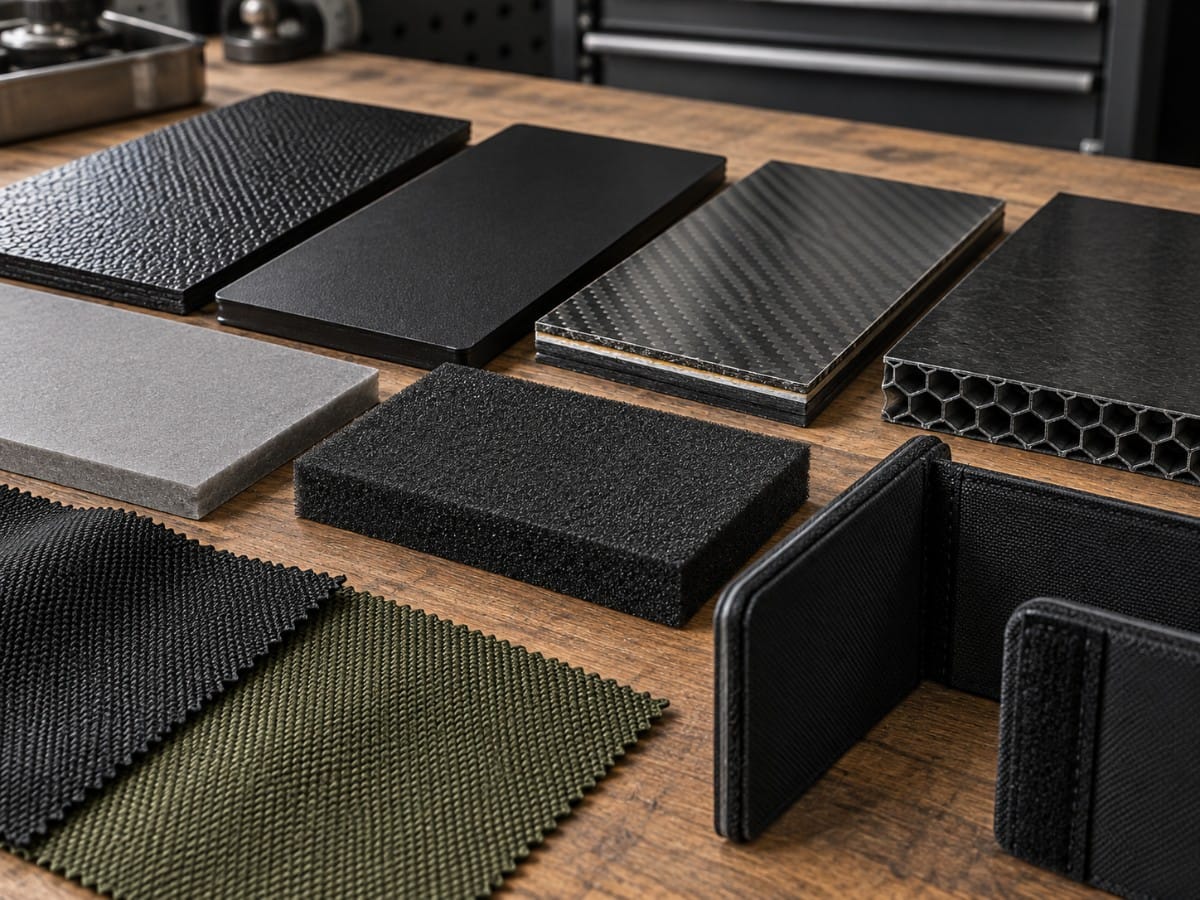
ABS, HDPE, Kydex, and laminated materials. These are what keep a soft case from behaving like a sack. Sewn into panels, bases, and dividers, they give structure without the weight or bulk of a hard case.
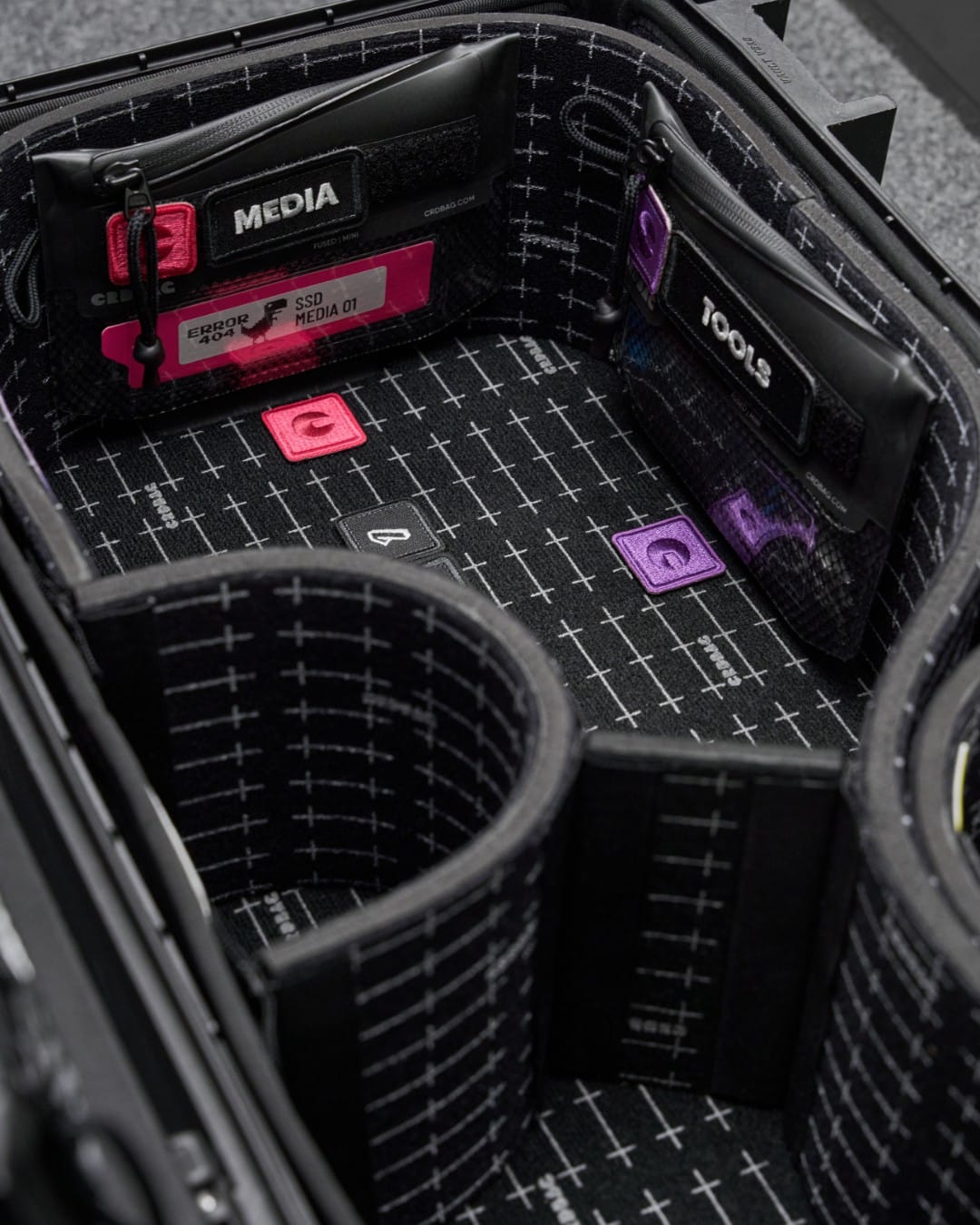
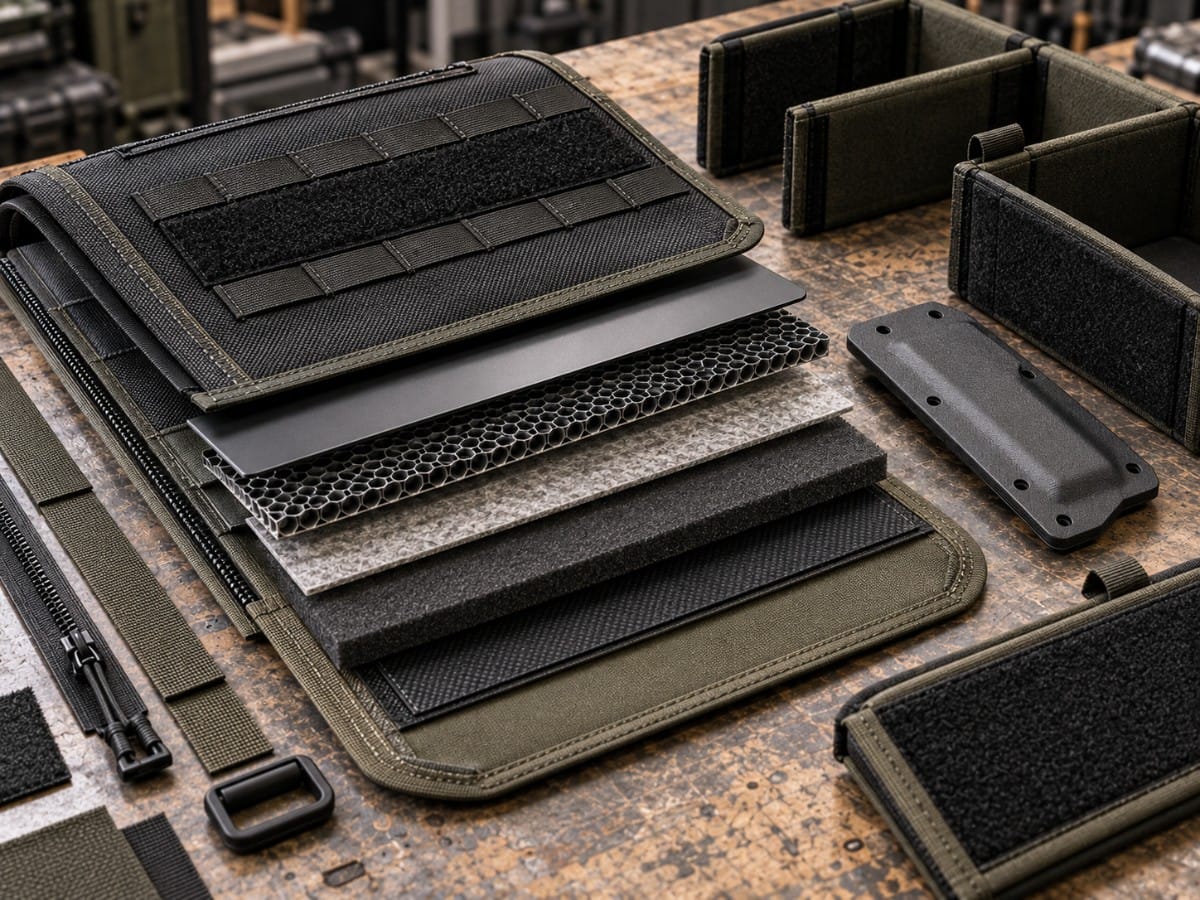
Because equipment does not care how the bag looks empty. A base panel keeps the bottom flat and off the ground, side panels keep the case square so contents do not shift, and a stiffened back panel keeps a carrier from collapsing against the wearer. Without them, a loaded soft case deforms and the padding stops sitting where you designed it.

ABS is rigid and holds a flat panel well. HDPE is tougher and more forgiving under impact and flex, which suits base panels that get dropped. Kydex is thin, stiff, and holds a formed shape, which is why it shows up in holsters and molded retention parts. We pick against the load and the flex pattern, not the price sheet.

Yes. Sewn-in sleeves let a panel be pulled for cleaning, for shipping flat, or for replacement after damage. Say so at design stage, since it changes the pattern rather than the material.

Yes, where a job needs bonded layers or properties one material cannot deliver alone. Send the specification or the performance requirement and we will source against it.

request a quote

HARDWARE & TRIM

Buckles, snaps, dees, grommets, rivets, zippers, Velcro, bungee, parachute cord, and binding. Hardware is where most soft goods fail, and it is the cheapest part of the build to get right at the start.
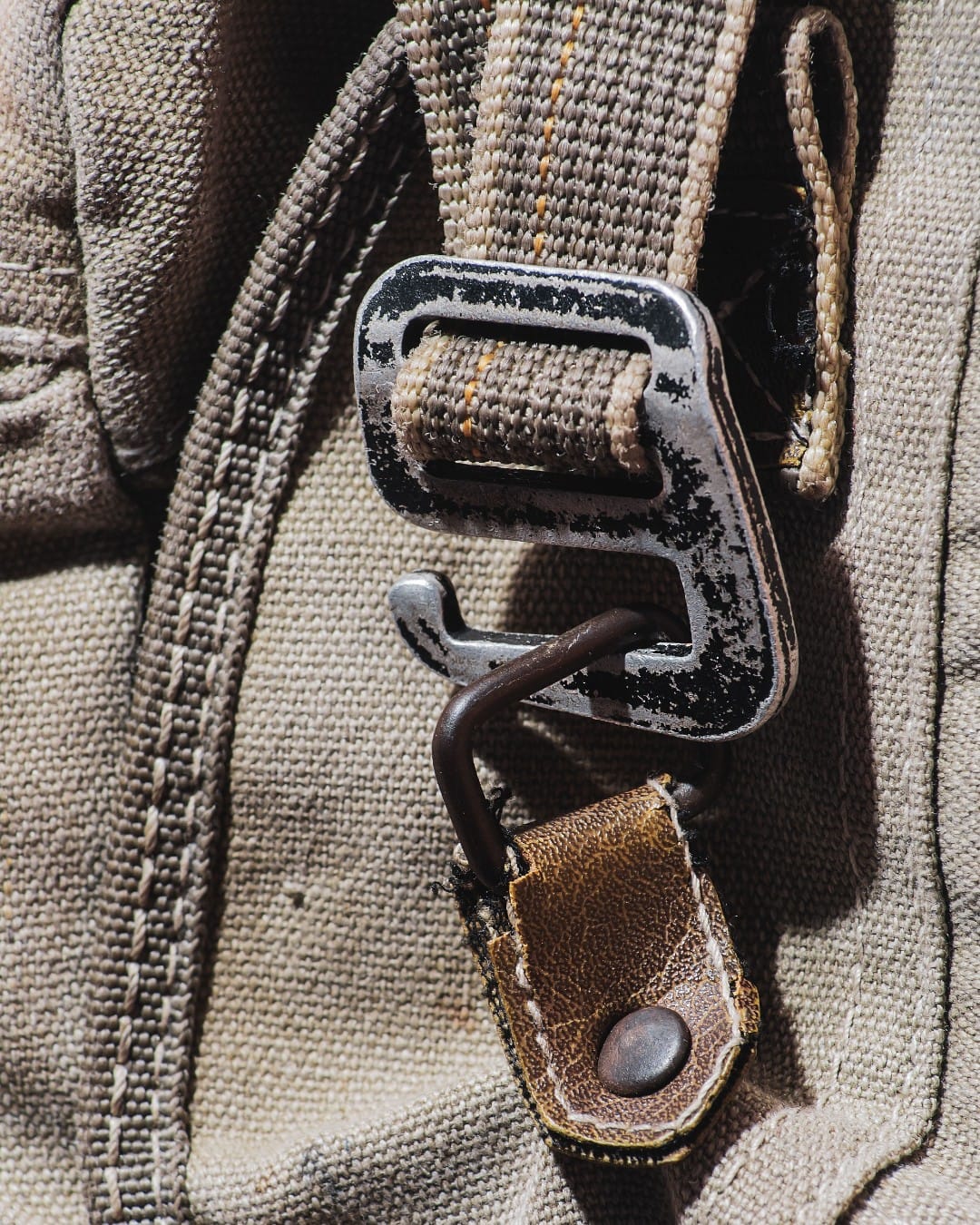
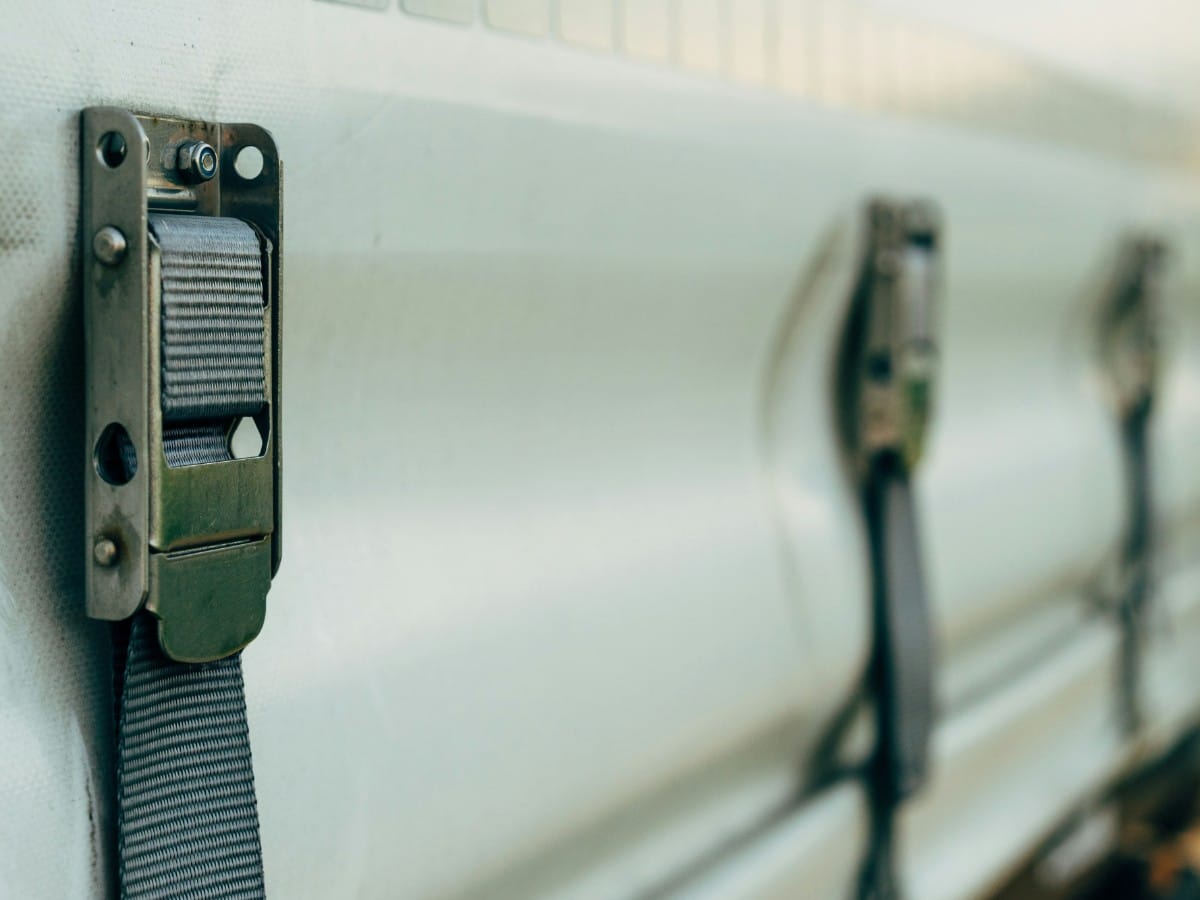
Metal carries more load and survives heat, cold, and rough handling better. Plastic is lighter, does not corrode, does not rattle, and does not interfere where metal is a problem. Salt air, wash-down environments, and coastal storage push toward corrosion-resistant metal or plastic. Tell us where the product lives and we will match the hardware to it.

Yes. If your print names a manufacturer and part number, we buy that part. If a called-out item has gone obsolete or carries a long lead time, we will tell you at quote and put an equivalent in front of you rather than substituting quietly.

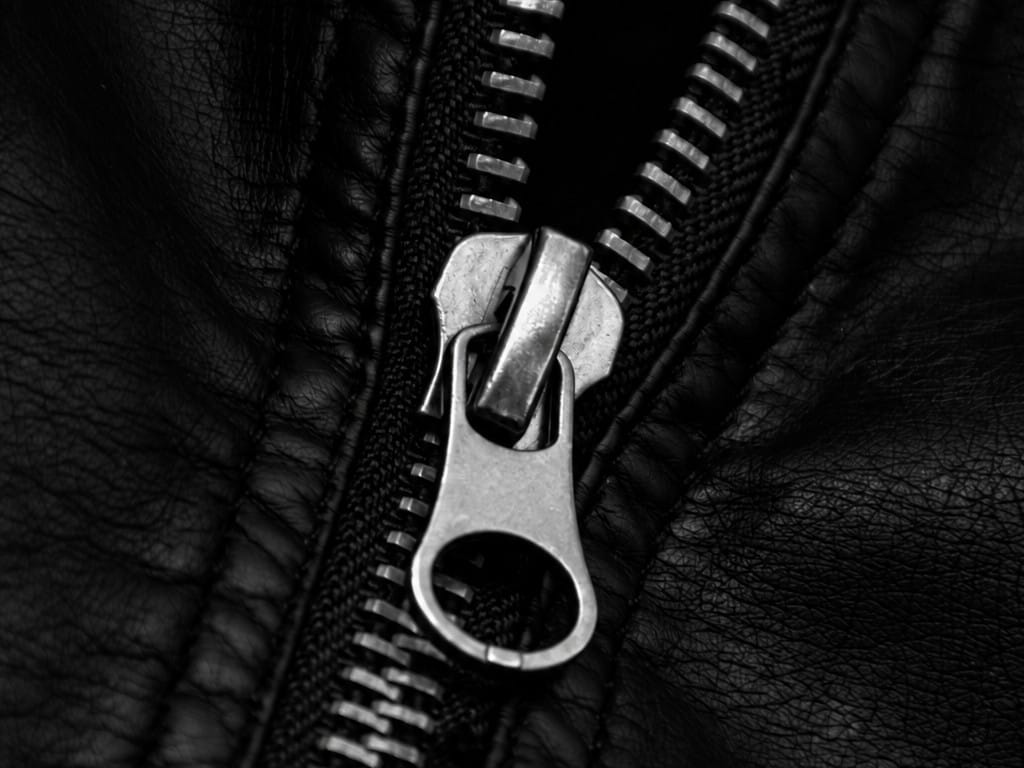
Size, tooth material, and slider type all get chosen against the load and the environment. An undersized zipper on a stuffed duffel is the most predictable failure in this whole category. Coil, molded tooth, and heavy metal each have a place, and we will name one against your use.

From the loaded weight, the carry method, and the cycle count. A buckle rated for the static weight is not the same as one rated for a loaded bag dropped off a tailgate twice a day. Give us the real handling picture and the rating follows.

SEND US YOUR SPEC