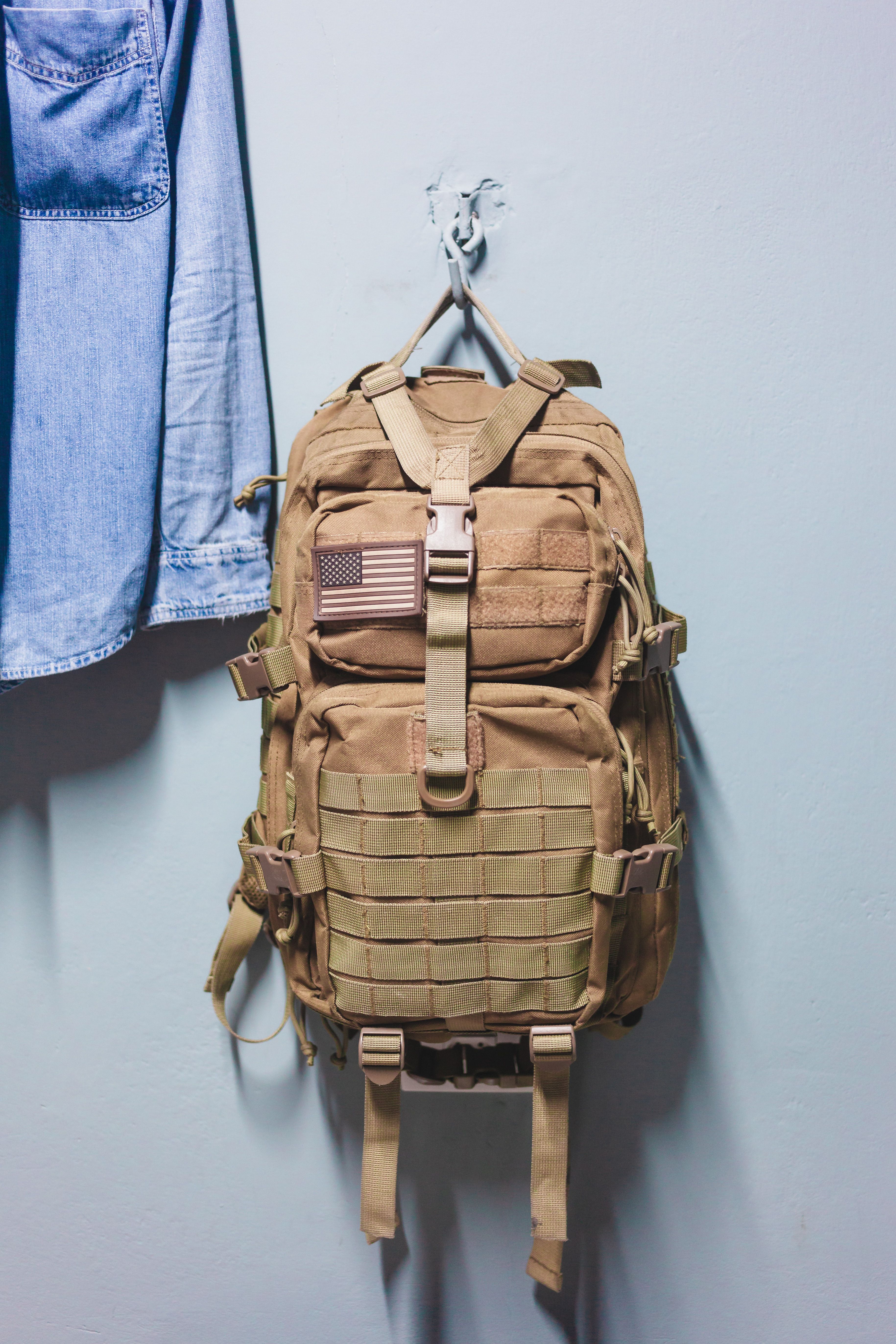
Every sewn product is a set of material choices. The fabric on the outside, the foam or backing inside, the hardware holding it together. Each material in this guide has a job it does well and a job it does poorly, and most of the “cheap bag fell apart” stories come from a material doing the wrong job.
This guide covers the materials we work with in our Melbourne, Florida shop: what each one is, what it’s good at, and where you’ll find it in the real world. It’s written for people planning a project, not for procurement departments. You don’t need to memorize any of it. When you request a quote, describing what you’re making is enough, and we’ll handle the rest.
Nylon Fabrics
Nylon is the default fabric of modern gear. It’s a synthetic fiber that is strong for its weight, resists abrasion and mildew, and dries fast. Most backpacks, equipment bags, and tactical gear made in the last fifty years are nylon of one kind or another.
One term worth knowing: denier (the “D” in 500D or 1050D) measures the thickness of the yarn. Higher denier means a thicker, heavier, tougher fabric. A 210D liner fabric and a 1680D ballistic shell are both nylon, but they’re built for opposite ends of the workload.
Ballistic Nylon
Ballistic nylon is a thick, densely woven nylon originally developed for WWII flak jackets. Body armor moved on to Kevlar decades ago, but the fabric stuck around because almost nothing wears through it. It has a smooth surface, real stiffness, and outstanding tear resistance.
Where it’s used: equipment cases, transit bags, military and tactical gear, luggage that rides in truck beds and cargo holds. Anything that gets dragged across concrete, loaded, and dropped. When a bag has to survive years of rough handling, ballistic nylon is usually the answer.
Cordura©
Cordura is a branded family of high-performance nylons with a textured, slightly fuzzy surface. It resists abrasion about as well as ballistic nylon, comes in more weights and colors, and has a look most people recognize from quality backpacks.
Where it’s used: backpacks, range bags, pouches, first responder gear, motorcycle luggage. It’s the go-to when a product needs serious durability but also has to look good on a shelf or an embroidered logo has to sit cleanly on it.
Packcloth
Packcloth is a smoother, lighter nylon with a soft hand. It doesn’t have the armor-plate feel of ballistic or Cordura, and it doesn’t need it for what it does.
Where it’s used: bag linings, organizer pouches, laptop sleeves, lighter-duty totes and carry bags. Products where weight and a clean finish matter more than surviving a gravel parking lot.
Ripstop
Ripstop nylon has a reinforcing grid woven into the fabric at regular intervals. If the fabric gets punctured, the grid stops the tear from running. That lets a very light fabric behave like a much tougher one.
Where it’s used: covers, stuff sacks, parachute-weight applications, packable bags, liners. Anywhere the fabric has to be as light as possible without becoming fragile. Our range runs from lightweight parachute cloth up to heavyweight nylon cargo straps, and ripstop covers a lot of the light end.
Nylon Webbing
Webbing is woven nylon strap material, and it does more work than any other component on a bag. Handles, shoulder straps, tie-downs, compression straps, MOLLE attachment: all webbing.
Where it’s used: everywhere a load transfers. The rule that matters is matching webbing width and weight to the load. Heavy bag, thin strap is the most common failure we see on mass-produced goods.
Canvas
Canvas is tightly woven cotton, the fabric of workwear, sails, and military duffels going back centuries. It’s graded by weight in ounces per square yard. A 10 oz duck is tote-bag weight. Numbered duck runs heavier still; by #4 duck you’re at roughly 24 oz, a fabric stiff enough for industrial covers and equipment aprons.
Canvas has a natural look and feel that synthetics don’t match, it takes screen printing and embroidery beautifully, and it wears in rather than wearing out. Its weakness is water. Untreated cotton absorbs it, so plain canvas belongs indoors or under a coating.
Where it’s used: tote bags and branded merchandise, shop aprons, tool rolls, duffel bags, utility bags, purses and gentleman’s bags where the buyer wants something that ages with character.
Waxed Canvas
Waxed canvas is duck canvas impregnated with wax. The wax sheds water, deepens the color, and gives the fabric a broken-in look from day one. Scuffs and creases become part of the surface instead of damage. It’s heavier and stiffer than plain canvas and needs occasional re-waxing over a long life.
Where it’s used: field bags, outdoor gear with a heritage look, covers, and anything meant to be used hard and kept for decades. It’s the fabric people choose when they want the bag to tell a story in ten years.
Vinyl
Vinyl is a coated or solid PVC material, and its whole personality is “wipes clean.” It doesn’t breathe, doesn’t absorb anything, and doesn’t care what gets spilled on it.
Clear Vinyl
Clear vinyl is transparent sheet material sewn into products as windows.
Where it’s used: ID and badge pockets, document sleeves on shipping bags, map pockets, dust covers where you need to read a display or see contents without opening anything. Also stadium-compliant clear bags.
Naugahyde and Coated Vinyls
Naugahyde is the best-known brand of leather-look vinyl: a fabric backing with a durable, easy-clean vinyl face. It gives you the appearance of upholstery leather at a fraction of the cost and maintenance.
Where it’s used: medical bags and kit interiors, salon and restaurant cases, seating and padding, instrument cases. Any product that gets disinfected, splashed, or handled by many people. There’s a reason medical and food-service gear leans on vinyl: it survives the cleaning schedule.
Vinyl’s limits: it stiffens in cold weather and can crack at fold points after years of flexing, so it usually appears as panels and liners rather than an entire structural bag.
Leather
Leather is the oldest material in this guide and the one our shop was founded on in 1971. It costs more than any fabric above and outlives all of them when it’s cared for. It also does something no synthetic does: it molds. Wet-formed or tooled leather holds a precise three-dimensional shape permanently.
Leather is sold by thickness and temper, and the range is wide:
- Heavy tooling and saddle leather is rigid, carves and stamps cleanly, and holds rivets and snaps like they’re set in wood. This is holster, sheath, and belt territory.
- Lightweight and medium leathers flex enough for bags, straps, and cases while keeping real structure.
- Garment-grade leather is soft and drapes. It shows up in linings, small goods, and trim.
- Exotics (when a project calls for them) bring distinctive grain for presentation pieces.
Where it’s used: holsters and knife sheaths, badge holders, premium sample and presentation cases, straps and handles on fabric bags, labels and branding patches, and personal goods meant to last a generation. Leather trim on a nylon or canvas bag is also a common middle path: fabric does the structural work, leather carries the look at the wear points.
Foam and Interior Structure
The outside of a case takes the hit. The inside decides whether the contents survive it. Two categories do that work: foam for cushioning and rigid sheet for structure.
Polyurethane Foam (PU)
Polyurethane is the soft, spongy, open-cell foam, the texture of a mattress topper. It absorbs shock and vibration well and costs the least of the case foams. Being open-cell, it soaks up water, so it stays inside the case.
Where it’s used: padding for instruments, cameras, electronics, glass, and anything light and fragile. Also general bag padding: laptop compartments, shoulder strap cushioning, protective liners.
Polyethylene Foam (PE)
Polyethylene is the firm, closed-cell foam. It supports real weight without crushing, doesn’t absorb water, and resists chemicals and repeated impacts. Press a thumb into it and it pushes back.
Where it’s used: inserts for tools, weapons, heavy instruments, and industrial equipment. It’s the standard for gear that’s heavy, hard-edged, or rides in vehicles.
Cross-Linked Polyethylene (XLPE)
XLPE is polyethylene’s refined sibling: finer cell structure, smoother surface, and clean, crisp edges when cut. It protects delicate surface finishes and looks finished enough to be part of the presentation itself.
Where it’s used: medical device cases, sales and demo kits, precision instrument inserts. Anywhere the inside of the case gets seen by a customer or has to protect a polished surface.
We die-cut and laser-cut all three foams to match specific equipment, so each item gets its own cavity and nothing shifts in transit.
Rigid Backing: ABS, HDPE, and Kydex
These are plastic sheets sewn between fabric layers to give a soft product hard structure exactly where it needs it. ABS and HDPE make floors that don’t sag and panels that don’t flex. Kydex is thermoformable, so it can be molded to shape, which is why it also shows up in holsters.
Where it’s used: case bottoms, laptop compartment walls, equipment dividers, antenna and electronics carriers. Rigid backing is how a sewn case protects like a hard case at half the weight, and it’s one of the least visible differences between a cheap bag and a built one.
Hardware and Trim
Hardware is where most bags die. Zippers quit, buckles crack, stitching pulls out at stress points. The fabric usually outlives all of it, so hardware quality sets the product’s real lifespan.
Metal Hardware
Rivets, grommets, buckles, snaps, and dees in steel or brass. Metal costs more, weighs more, and takes decades of abuse.
Where it’s used: load-bearing points, leather goods, military and industrial products, and anywhere a failure means the bag is done. A grommet in a cargo cover or a rivet at a strap base should be metal.
Plastic Hardware
Modern plastic buckles, sliders, dees, snaps, and zippers are light, quiet, corrosion-proof, and fine for most daily use. Quality varies enormously between manufacturers, which is why two identical-looking buckles can have very different lifespans.
Where it’s used: side-release buckles on packs and duffels, cord locks, strap adjusters, most bag zippers. The right call for products where weight matters and loads are moderate.
Fasteners and Cordage
- Velcro closes flaps and pockets fast and one-handed. It’s everywhere on tactical, medical, and utility gear.
- Bungee cord holds items under tension: lash-downs, external gear loops, adjustable retention.
- Parachute cord is light, strong utility cordage for pulls, ties, and lacing.
- Binding is the woven tape sewn over raw fabric edges. Bound seams resist fraying and finish the interior. Skipped binding is a classic cost-cutting tell on cheap bags.
Quick Reference
| Material | What it is | Typical uses |
|---|---|---|
| Ballistic nylon | Thick, smooth, dense nylon weave | Equipment cases, transit bags, tactical gear |
| Cordura© | Textured high-performance nylon | Backpacks, pouches, first responder gear |
| Packcloth | Smooth, lighter nylon | Linings, sleeves, light-duty bags |
| Ripstop | Light nylon with tear-stop grid | Covers, stuff sacks, packable goods |
| Duck canvas | Woven cotton, graded by oz | Totes, aprons, duffels, branded merch |
| Waxed canvas | Wax-treated duck | Field bags, heritage outdoor gear |
| Clear vinyl | Transparent PVC sheet | Windows, ID pockets, document sleeves |
| Naugahyde | Leather-look coated vinyl | Medical, food service, seating |
| Leather | Hide, from garment to saddle weight | Holsters, sheaths, premium cases, trim |
| PU foam | Soft, open-cell cushioning | Fragile and lightweight items |
| PE foam | Firm, closed-cell support | Tools, heavy equipment inserts |
| XLPE foam | Fine-cell premium PE | Medical kits, presentation inserts |
| ABS / HDPE / Kydex | Rigid plastic backing | Case floors, panels, dividers |
Frequently Asked Questions
What’s the difference between ballistic nylon and Cordura? Both are heavy-duty nylons. Ballistic has a smooth, dense weave with the edge in tear strength; Cordura has a textured surface with the edge in abrasion resistance and comes in more weights and colors. In practice they serve the same class of rugged products, and the choice often comes down to look, weight, and availability.
Is canvas waterproof? Plain cotton canvas is not; it absorbs water. Waxed canvas sheds water well and is the traditional choice for outdoor cotton goods. For gear that lives in the weather, coated nylon or vinyl beats both.
What’s the difference between polyurethane and polyethylene foam? Polyurethane is soft and spongy, best for cushioning light, fragile items. Polyethylene is firm and closed-cell, best for supporting heavy items and blocking moisture. XLPE is a finer-grade polyethylene used when appearance and surface protection matter.
What material lasts the longest? With care, heavy leather, by decades. Among fabrics, ballistic nylon and Cordura take daily abuse the longest. Heavy duck canvas splits the difference and ages the most visibly, which is often the point.
Can different materials be combined in one product? Almost every good sewn product is a combination. A typical equipment bag might be a Cordura shell, packcloth lining, HDPE floor panel, PE foam padding, metal rivets at the strap bases, and plastic buckles on the compression straps. Matching each material to its specific job inside the product is most of the craft.
Do I need to specify materials when requesting a quote? No. Tell us what the product carries, where it’s used, and how it’s handled. Recommending materials is part of the work, and we can usually show swatches and past examples so you can feel the options before anything gets cut.
About Our Materials
Christian Workshop has manufactured custom sewn products in Melbourne, Florida since 1971, and our supplier network has been cultivated over that same span. We stock and source domestic materials, with Berry-compliant and Mil-Spec options for projects that require them and international sourcing available. Low minimums are standard; one prototype and a multi-release production run are both real projects here.
Planning something?